Building a custom home on land you already own is rewarding and complex. In Austin, the process demands careful preparation, from soil assessments and utility access to deed restrictions and builder selection, long before a foundation is poured. Seven Custom Homes has guided Austin-area families through every stage across nearly two decades of luxury Hill Country construction.
Your Pre-Build Checklist at a Glance
- Commission a geotechnical soil report before any design work begins.
- Order a topographic survey and pull the FEMA FIRM flood map for your parcel.
- Confirm utility access: municipal water and sewer, or well, septic, and propane.
- Verify zoning, deed restrictions, and easements on the title and plat.
- Secure permits with the correct county or municipal authority.
- Select a builder with local Hill Country experience and verified references.
- Lock in a detailed construction contract and a clear warranty structure.
The Land Is Only the Beginning
Owning a Hill Country or Austin-metro parcel is significant, but it doesn’t guarantee a straightforward build. Soil conditions, utility access, zoning, and site grading all determine what’s possible. An urban infill lot in Austin presents different challenges than rural acreage in Spicewood or Driftwood. Understanding what to know before building starts well before any design is drawn, and Seven Custom Homes’ build on your lot process begins exactly there.
What Can Your Lot Actually Support?
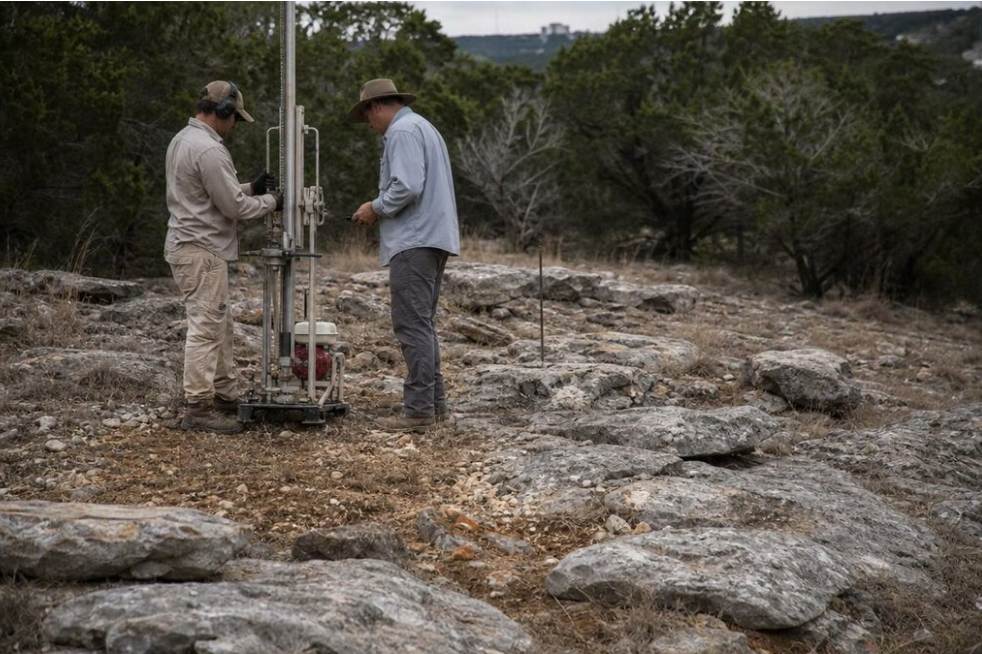
Every lot carries physical constraints, and identifying them early is the difference between a smooth build and an expensive surprise.
What Soil Tests Do I Need Before Building a Home?
A geotechnical report is a non-negotiable pre-design document. Travis, Hays, and Williamson counties are heavily characterized by expansive clay soils that swell with moisture and crack when dry. Engineers typically respond with post-tension slab or pier-and-beam designs that transfer load past the active clay layer.
Where shallow limestone bedrock sits near the surface, excavation may require rock saws or blasting, adding cost and weeks to the timeline. The report identifies soil classification, bearing capacity, and moisture variability, no reputable engineer will specify a foundation without one.
How Do I Check Flood Zone Status for My Lot in Texas?
Pull the FEMA Flood Insurance Rate Map (FIRM) for your parcel before making an offer. Lots near Lake Travis, Barton Creek, and the Pedernales River commonly carry Zone AE or Zone X designations. Zone AE indicates a high-probability flood area with established base flood elevations; Zone X indicates lower risk.
Flood zone status affects structural design, finished floor elevations, and insurance premiums. A topographic survey maps the buildable envelope, drainage paths, and low points, getting grading right at this stage prevents foundation saturation and erosion later.
Utility Access and Infrastructure Gaps
Rural lots in Spicewood, Driftwood, and Horseshoe Bay frequently sit beyond municipal water, sewer, and gas lines. A water well requires hydrogeological assessment, permitting, and drilling. Aerobic septic systems must be engineered to the lot’s soil percolation rate and permitted through the county or TCEQ. Propane replaces natural gas where pipelines don’t reach. Each system adds real cost, making a thorough utility audit as important as any architectural review.
Do I Need a Permit to Build on My Own Land in Austin?
Yes. Inside Austin’s city limits, the Development Services Department handles permits and inspections; projects in the Barton Springs and Edwards Aquifer recharge zones face additional environmental review. Lots in unincorporated Travis, Hays, or Williamson counties fall under county permitting, centering on septic, driveway culvert, and floodplain approvals.
Private deed restrictions and HOA covenants can also dictate minimum square footage, exterior materials, roof pitch, and setbacks. A title review and recorded plat will surface easements that must be respected in the site plan.
How to Protect Your Investment with the Right Agreements and Warranties
Construction Contract Essentials
A construction contract should define the full scope of work, a payment schedule tied to verified milestones, a formal change order process, and dispute resolution procedures. Material specifications should name exact products by brand; substitutions must go through a formal change order. Mediation or arbitration clauses reduce exposure to costly litigation.
Warranty Coverage for Custom Homes in Texas
Texas statutory warranties set minimum coverage at roughly one year for workmanship, two years for systems (HVAC, plumbing, electrical), and ten years for structural defects, treat these as floors, not ceilings. In high-value markets like West Lake Hills and Lakeway, structural warranty terms carry added weight. Ask any prospective builder how they handle callbacks, who performs warranty service, and response times.
Schedule Your Site Evaluation
If you own land in Greater Austin or the Hill Country and want a clear assessment of what it can support, talk to a builder who knows this terrain, its soils, and its permitting requirements. Contact Seven Custom Homes at 312 Medical Parkway, Bldg B, Lakeway, TX 78738, or start the conversation through the build on your lot page to schedule a site evaluation.
Frequently Asked Questions
How Long Does It Take to Build a Custom Home in Austin?
Most custom builds in the Austin area take 12–18 months from groundbreaking to move-in, depending on size and complexity. Permitting, material lead times, and weather can extend that timeline, so buffer periods should be built into every project schedule.
What Is the Average Cost Per Square Foot for a Custom Home in Austin?
Custom home construction in Austin typically ranges from $250 to $500 or more per square foot, depending on finishes, site conditions, and architectural complexity. Sloped lots, expansive soil, or limited utility access can significantly increase site preparation costs before framing begins.
Can I Build a Custom Home on a Lot I Already Own?
Yes, but the lot still needs a site evaluation before construction begins. Setback requirements, tree preservation ordinances, and impervious cover limits can all affect what’s allowed. Bringing in a builder like Seven Custom Homes early helps identify restrictions before design is finalized.
How Do I Finance a Custom Home Build If I Already Own the Land?
Many lenders treat owned land as equity, reducing the down payment required for a construction loan. Construction-to-permanent loans are the most common path, converting to a traditional mortgage once the home is complete. Consulting a lender familiar with Texas construction financing before breaking ground helps avoid surprises at closing.
Are Custom Homes More Energy Efficient Than Production Homes?
Custom homes can be significantly more energy efficient because every system, insulation grade, HVAC sizing, is specified for the exact structure and local climate. Austin’s hot summers make proper envelope design and attic ventilation especially important for long-term utility savings.
What Happens If My Builder Goes Out of Business During Construction?
This is one of the most overlooked risks in custom home building, which is why vetting a builder’s financial stability matters as much as reviewing their portfolio. A properly structured contract should tie payment schedules to completed milestones, not lump sums paid upfront. Performance bonds and builder’s risk insurance provide additional protection if a contractor fails to complete the project.
Do Austin’s Tree Preservation Rules Affect Where I Can Build on My Lot?
Austin has some of the strictest heritage tree ordinances in Texas. Trees with a diameter of 19 inches or more at breast height are classified as heritage trees and require a permit before any work within their critical root zones. Tree surveys conducted during site evaluation allow design to work around these restrictions from the start.
About Seven Custom Homes
Seven Custom Homes is a luxury residential construction firm founded in 2007 by David Lyne, serving Greater Austin and the Texas Hill Country from 312 Medical Parkway, Bldg B, Lakeway, TX 78738. The company has completed over $500 million in luxury home construction and earned the 2014 Custom Builder of the Year award and the 2014 MAX Award, with a portfolio spanning architectural design, energy-efficient building, and custom estate development.
Business Name: Seven Custom Homes
Address: 312 Medical Parkway Building B, Austin, TX 78738
Phone Number: (512) 662-1349