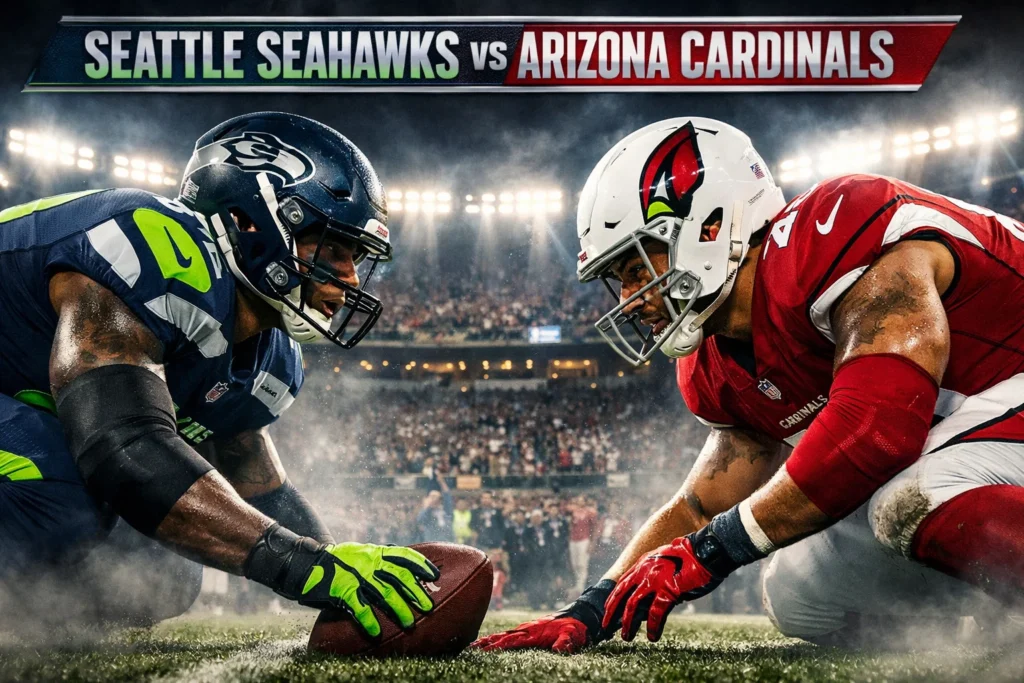
The clash between the Seattle Seahawks and Arizona Cardinals delivered intensity from kickoff to the final whistle. The first half featured explosive offensive drives and disciplined defensive stands, with key performers setting the tempo early. Detailed Seahawks vs Arizona Cardinals match player stats highlight standout contributions from both teams. In the second half, momentum shifted through crucial turnovers and red zone efficiency. Adjustments by coaching staff influenced the rhythm of the game, creating dramatic turning points that defined the final outcome.
Offensively, quarterbacks and rushing units dictated pace, while defensive leaders applied pressure and forced errors. Special teams added hidden yardage that proved vital in field position battles. The MVP emerged through consistent execution and clutch plays under pressure. Overall, the match highlighted roster depth, tactical discipline, and season implications, reinforcing strengths while exposing weaknesses both teams must address moving forward.
Offensive vs Defensive Analysis Format
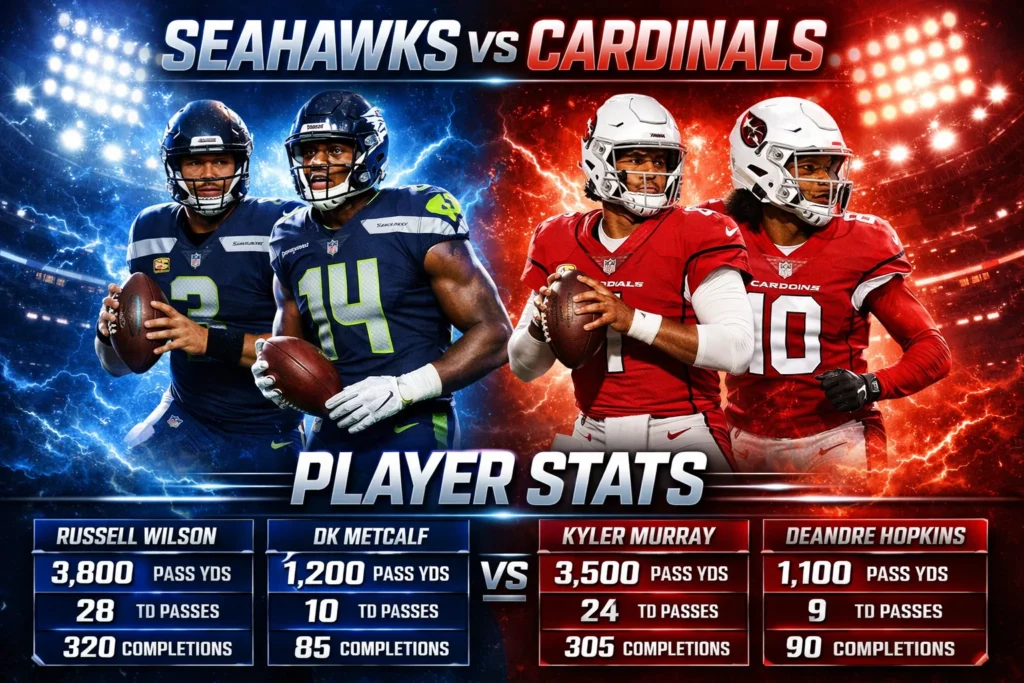
This matchup unfolded as a tactical battle between offense and defense. Seattle’s offensive unit focused on balanced play-calling, mixing short passes with effective rushing attempts. Arizona countered with disciplined zone coverage and timely blitz packages, disrupting rhythm and forcing adjustments. Early drives established tempo, while defensive resilience prevented quick scoring bursts, keeping the contest competitive throughout.
The Seahawks offense showcased efficiency in third-down conversions and red zone execution. Meanwhile, the Cardinals defense relied on pressure schemes and gap control to limit explosive gains. On the other side, Arizona’s offensive standouts demonstrated agility and field awareness, stretching coverage and testing Seattle’s secondary. Defensive adjustments in the second half tightened passing lanes and minimized big-play opportunities, reflecting smart in-game corrections.
Key player comparisons revealed contrasting styles—Seattle emphasizing structured drives and Arizona leveraging dynamic playmakers. Critical moments included third-down stops, forced turnovers, and decisive scoring possessions. Ultimately, the contest underscored how defensive discipline and offensive adaptability shape outcomes. Both teams displayed strengths that will influence future matchups, making this encounter a valuable learning experience for the remainder of the season.
Quarter-by-Quarter Player Analysis
The game opened with high intensity as first-quarter drives tested defensive readiness. Early quarterback precision and effective rushing attempts established momentum. By the second quarter, key statistics began to reflect control in time of possession and yardage gains, while defensive units tightened coverage to prevent deep threats and minimize scoring chances.
The third quarter brought a noticeable momentum shift through strategic halftime adjustments and impactful defensive plays. Fourth-quarter performers stepped up in clutch situations, converting critical downs and securing defensive stops. Game-deciding plays, including late scoring drives and pressure-induced mistakes, ultimately determined the result. Overall player ratings reflected consistency, impact under pressure, and efficiency across all four quarters.
Star Players Performance Focus
Match Overview
This contest highlighted elite talent on both rosters, with star players influencing tempo and morale. Strategic matchups determined success in key situations, especially during high-pressure sequences.
Quarterback Performance Analysis
Quarterbacks demonstrated composure and field awareness, distributing the ball efficiently while minimizing risks. Decision-making in tight coverage defined scoring opportunities and limited turnovers.
Running Back Contributions
Running backs provided balance through explosive carries and crucial short-yardage conversions. Their ability to maintain drive momentum proved essential in controlling possession.
Statistical Breakdown Format
The statistical summary reflected a tightly contested battle, with total yards nearly balanced between both sides. Passing leaders demonstrated accuracy, while rushing units contributed consistent gains. Defensive statistics, including sacks and interceptions, shifted momentum at crucial intervals.
Turnovers and penalties played a defining role, influencing field position and scoring chances. Advanced metrics such as third-down efficiency and red zone conversion rates revealed slight advantages that shaped the final outcome. Overall, performance data highlighted execution discipline, defensive pressure, and offensive adaptability as key differentiators.
Tactical & Strategy-Based Outline
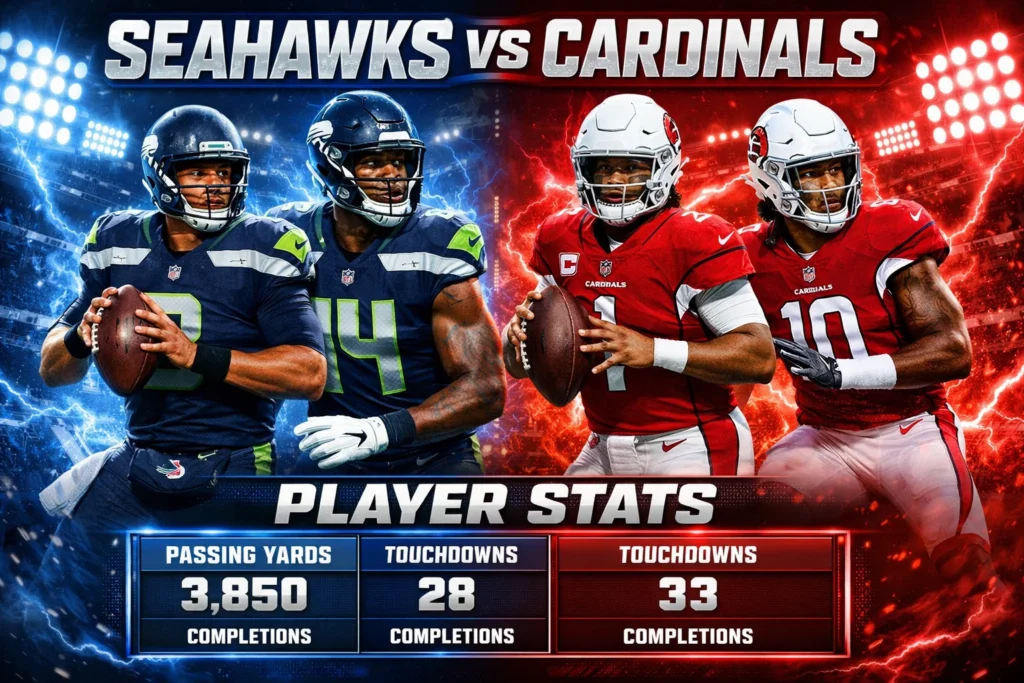
Pre-match expectations centered around offensive explosiveness versus defensive resilience. Analysts anticipated strategic adjustments to counter each team’s primary strengths, particularly in quarterback containment and rushing defense.
Offensive game plans emphasized quick reads and varied formations to confuse coverage schemes. Defensive setups relied on mixed blitz packages and zone transitions to limit explosive plays. Coaching decisions regarding fourth-down attempts and clock management significantly influenced momentum shifts.
Player execution determined success of tactical frameworks. Adjustments after halftime improved defensive containment and passing efficiency. Ultimately, disciplined structure and situational awareness shaped the final scoreline, reflecting how preparation and adaptability dictate competitive outcomes.
MVP & Top 5 Performers Format
This matchup showcased elite talent across both rosters, with standout performances defining the rhythm of play. Seattle’s top five performers demonstrated balance in passing, rushing, defensive stops, and special teams contributions. Arizona’s leading players responded with explosive plays, disciplined tackling, and efficient route execution. The match MVP delivered consistency, clutch conversions, and leadership during decisive moments. Game-changing sequences—including turnovers, red zone stops, and late scoring drives—cemented overall player ratings and underscored individual brilliance within a tightly contested battle.
Head-to-Head Player Comparison
This matchup offered compelling head-to-head comparisons across key positions. Quarterbacks displayed contrasting styles—one emphasizing structured distribution, the other relying on mobility and improvisation. Running back units balanced power and agility, while wide receiver groups tested secondary depth through route precision and separation speed.
Defensive units demonstrated disciplined tackling and situational awareness, limiting explosive opportunities. Special teams added subtle advantages in field position and kick accuracy. Overall comparisons revealed slight efficiency edges in crucial phases, ultimately shaping the final verdict and highlighting strengths each side can build upon moving forward.
Turning Points & Key Performances
- Early momentum shifted when a sustained opening drive resulted in a scoring opportunity, setting tempo and forcing defensive recalibration.
- A critical third-down conversion extended possession and led to a touchdown, altering scoreboard pressure significantly.
- Defensive interception in the red zone halted scoring momentum and sparked sideline energy.
- Costly turnover deep in own territory gifted favorable field position and immediate points.
- Late fourth-quarter scoring drive showcased composure, execution, and leadership under pressure.
Fantasy Football Angle
From a fantasy perspective, the matchup delivered strong individual outputs, particularly among quarterbacks and primary receivers. Consistent yardage and red zone involvement boosted overall fantasy value.
Surprise performers emerged through efficient carries and unexpected touchdown receptions, outperforming projections. However, certain high-profile players struggled against tight defensive schemes, resulting in disappointing fantasy totals despite favorable expectations.
Stat leaders in passing yards, receptions, and defensive turnovers provided significant fantasy boosts. The key takeaway highlights the importance of matchup analysis, defensive pressure trends, and red zone roles when projecting weekly fantasy outcomes.
Data-Driven Deep Analysis
Contextually, both teams entered with competitive metrics in offensive efficiency and defensive containment. Data indicated balanced scoring potential and disciplined possession management.
Player efficiency metrics emphasized completion rates, yards per carry, and defensive pressure percentages. Third-down performance proved decisive, while red zone execution determined scoring margins.
Defensive pressure statistics and turnover ratios highlighted momentum swings. Player impact scores reflected influence beyond basic stats, considering situational execution and consistency. Analytical review confirms efficiency and adaptability as primary success indicators.
Win/Loss Impact Focus
| Category | Winning Team Strength | Losing Team Weakness |
| Match Recap | Controlled tempo and possession | Struggled with consistency |
| Key Performers | Efficient QB, strong defense | Limited explosive plays |
| Statistical Edge | Better third-down rate | Higher turnover count |
| Coaching Impact | Smart clock management | Questionable late decisions |
| Season Outlook | Boost in confidence & standings | Need tactical adjustments |
Highlight-Based Player Review
Match Summary
A competitive contest defined by strategic drives and defensive resilience, with momentum swings keeping the outcome uncertain.
Best Offensive Highlights
Explosive receptions, decisive red zone runs, and sustained scoring drives reflected offensive precision and adaptability.
Defensive Highlights
Key sacks, interceptions, and goal-line stands shifted momentum and demonstrated disciplined execution under pressure.
Rookie & Bench Impact Analysis
The game spotlighted valuable rookie contributions, particularly in rotational defensive roles and special teams coverage. Emerging talent displayed composure and athleticism.
Bench depth influenced stamina and situational flexibility, especially during high-tempo stretches. Surprise performers stepped up when starters required support, reinforcing roster depth and future development potential.
Post-Match Expert Analysis Format
Experts highlighted tactical discipline and execution as defining factors. Strategic adjustments and situational awareness differentiated overall team performances.
Individual ratings emphasized consistency, decision-making, and clutch efficiency. Strengths included balanced offensive schemes and pressure defense, while improvement areas focused on turnover control and red zone finishing. Expert verdict recognizes both teams’ competitiveness and growth potential.
Conclusion
The Seahawks vs Cardinals matchup illustrated how execution, adaptability, and discipline determine outcomes in high-level competition. From quarterback precision to defensive pressure, every phase contributed to momentum shifts and final results. Tactical awareness, efficient red zone performance, and timely turnovers ultimately shaped the narrative. Both teams demonstrated resilience and areas for refinement, ensuring future encounters remain competitive. This match serves as a valuable benchmark for performance evaluation and season progression analysis.
FAQs
Who was the MVP of the Seahawks vs Cardinals match?
The MVP was the player who delivered consistent performance under pressure, contributed in key scoring drives, and made decisive plays in critical moments, including third-down conversions or defensive stops.
Which quarterback performed better in the game?
The better-performing quarterback was determined by completion percentage, passing yards, touchdown efficiency, and turnover control. Clutch fourth-quarter execution also played a major role in comparison.
What were the key turning points of the match?
Major turning points included red zone stops, interceptions, forced fumbles, and late scoring drives that shifted momentum and influenced the final outcome significantly.
How did the defenses impact the final result?
Both defenses applied pressure through sacks and tight coverage. The team that generated more turnovers and limited explosive plays gained a strategic advantage.
Which players had the biggest statistical impact?
Top statistical performers included leaders in passing yards, rushing yards, receptions, tackles, and sacks. Efficiency in third-down and red zone situations further elevated their overall impact.