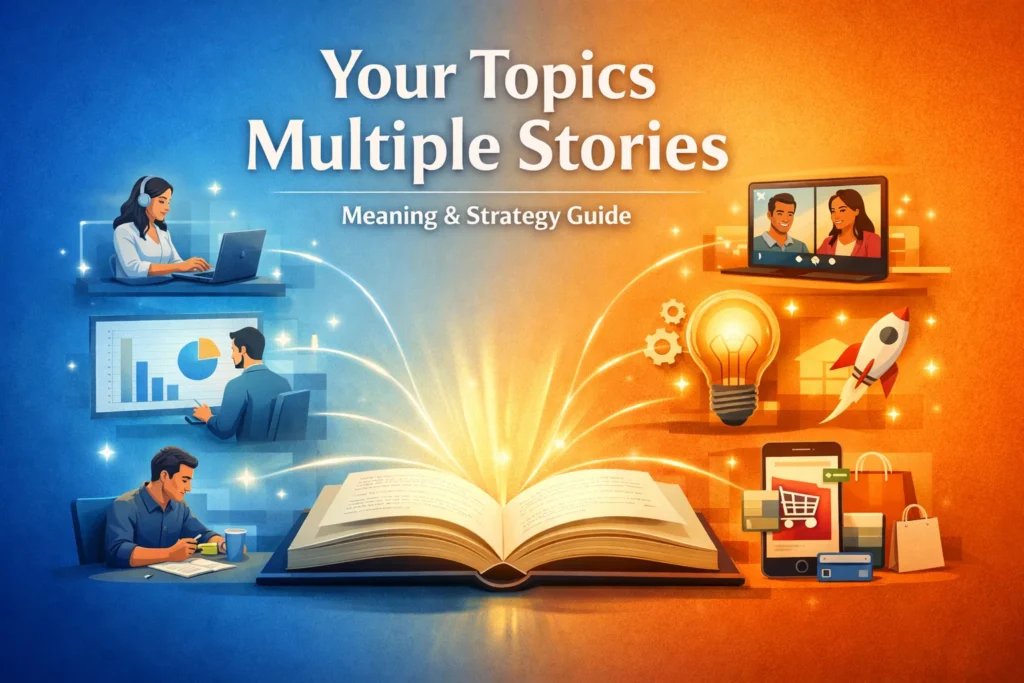
Content today is not only about sharing information; it is about telling meaningful stories that connect with readers. The idea of “Your Topics Multiple Stories” focuses on presenting one topic through different perspectives, examples, and experiences. Instead of explaining a subject in only one way, this approach allows creators to develop several narratives that make the topic richer and more engaging for audiences across blogs, social media, and digital platforms.
Using multiple stories within a single topic also helps readers understand ideas more clearly. When content includes real situations, examples, and different viewpoints, it becomes easier for people to relate to the message. This strategy improves engagement, encourages deeper thinking, and builds a stronger connection between the content creator and the audience, making the information both valuable and memorable.
Meaning of Your Topics Multiple Stories
The phrase “Your Topics Multiple Stories” refers to a content strategy where a single topic is explained through several different stories, examples, or viewpoints. Instead of repeating the same explanation, writers present different situations, case studies, or personal experiences related to the topic. This method makes content more dynamic and allows readers to explore the subject from multiple angles while keeping their interest alive throughout the article.
In digital content creation, this concept helps writers transform simple topics into engaging narratives. Each story adds depth and context, allowing the audience to understand complex ideas more easily. By combining storytelling with informative content, creators can deliver messages that are more relatable, memorable, and impactful, which also increases the chances of readers spending more time on the page.
Why Multiple Stories Matter in Content
Using multiple stories in content helps break down complex ideas into relatable experiences. When readers encounter different examples connected to the same topic, they gain a clearer understanding of the message being shared. This approach also prevents content from becoming repetitive or boring, because each story introduces a new perspective that keeps the reader interested and encourages them to continue reading the entire article.
Another reason multiple stories matter is that they create emotional and intellectual connections with readers. A single explanation may inform the audience, but several stories can inspire them, help them visualize real situations, and allow them to see how the topic applies to everyday life. This storytelling approach transforms ordinary content into something meaningful and engaging for a wider audience.
From an SEO and marketing perspective, content with multiple stories often performs better online. It naturally includes varied keywords, examples, and detailed explanations, which improve search engine visibility. At the same time, readers are more likely to share content that feels engaging and insightful, helping the article reach a broader audience and strengthening its overall digital impact.
How the Multiple Stories Strategy Works
The multiple stories strategy works by dividing a single topic into several narrative sections. Each section focuses on a unique angle, example, or real-life situation that relates to the main subject. Instead of repeating the same explanation, the writer uses storytelling to show how the topic appears in different contexts. This method keeps the content organized while making it more engaging and easier for readers to follow.
Writers usually begin with a central topic and then develop several supporting stories that highlight different aspects of that topic. These stories may include case studies, personal experiences, industry examples, or hypothetical scenarios. By presenting multiple narratives within the same framework, the content becomes richer, more informative, and more appealing to readers who want deeper insight into the subject.
Benefits of Using Multiple Stories
- Improves reader engagement: Multiple stories keep readers interested because each section introduces a fresh perspective or example related to the topic.
- Enhances understanding: Different stories help explain complex ideas in simpler ways, making the content easier for a wide audience to understand.
- Boosts SEO performance: Diverse storytelling naturally includes related keywords, examples, and details that search engines recognize as valuable content.
- Builds emotional connection: Stories allow readers to relate to the topic through experiences and real situations, increasing trust and interest.
- Creates richer content: Instead of short explanations, multiple stories add depth, making the article more informative and memorable.
Choosing the Right Topics
Identify Audience Interests
Selecting the right topic begins with understanding what your audience truly wants to learn. When a topic solves real problems or answers common questions, it becomes easier to build multiple stories around it. Audience-focused topics also increase the chances that readers will stay longer on the page and explore every section of the content.
Focus on Broad but Clear Subjects
Topics that are slightly broad work well for the multiple stories strategy because they allow room for different examples and perspectives. However, the subject should still remain clear and focused. A balanced topic provides enough flexibility for storytelling while ensuring that the article stays organized and easy to understand.
Choose Topics with Real-Life Examples
Topics connected to real-life situations make storytelling easier and more effective. When a subject naturally includes experiences, case studies, or practical examples, writers can create several engaging stories within one article. This approach makes the content feel authentic and encourages readers to connect with the message on a deeper level.
How to Create Multiple Stories
Creating multiple stories around a single topic starts with identifying different angles related to that subject. Writers can explore personal experiences, real-world case studies, expert opinions, or hypothetical situations that connect to the main idea. Each story should add new value instead of repeating the same explanation, helping readers see how the topic applies in different circumstances.
Another important step is maintaining a clear structure while presenting these stories. Each narrative should have its own purpose and support the main topic in a meaningful way. When stories are organized logically, readers can move smoothly from one idea to another, making the content more engaging, informative, and easier to understand.
Step-by-Step Content Strategy
Research and Plan the Topic
Before creating content, writers should carefully research the topic and identify different story angles. Planning helps determine which examples, experiences, or case studies will best support the main idea. A strong research phase ensures that every story contributes useful information and keeps the overall article focused and valuable for readers.
Organize Stories in a Logical Structure
Once the stories are selected, they should be arranged in a clear and logical order. Each section should smoothly lead to the next, guiding readers through the topic step by step. A well-organized structure prevents confusion and helps readers easily follow the progression of ideas throughout the content.
Connect Stories with the Main Message
Every story included in the content should connect back to the central theme of the article. When stories clearly support the main message, the content feels unified and purposeful. This connection also helps readers understand the overall idea more clearly while reinforcing the importance of the topic being discussed.
Examples of Multiple Story Contents
Content that uses the multiple stories approach can often be seen in blogs, case studies, and educational articles. For instance, a marketing blog may discuss a topic such as social media growth by presenting several real-life examples from different businesses. Each example focuses on a unique challenge, the strategy used to overcome it, and the final results. This method helps readers understand how the same concept can work in different situations.
Another common example appears in educational content where complex ideas are explained through a series of small stories or scenarios. A writer may describe how a specific strategy works for beginners, professionals, and businesses separately. By showing these varied experiences, the topic becomes easier to understand and more relevant for readers with different backgrounds and levels of knowledge.
In addition, many successful websites and digital platforms use multiple stories to make their content more engaging. Instead of explaining a concept in a single way, they present different viewpoints, experiences, or case studies that highlight the topic from several angles. This storytelling method keeps readers interested, adds depth to the article, and helps them connect more strongly with the information being shared.
Common Mistakes to Avoids
One common mistake when using multiple stories is repeating the same idea without adding new value. If each story simply restates the same explanation, the content can feel repetitive and lose the reader’s attention. To avoid this, every story should introduce a new perspective, example, or lesson that strengthens the main topic and keeps the content fresh.
Another mistake is including too many stories without a clear structure. When stories are not organized logically, readers may feel confused and struggle to follow the main message. A well-structured article ensures that each story connects smoothly to the next while supporting the central idea of the content.
SEO Benefits of Multiple Storiess
Better Keyword Coverage
Using multiple stories naturally introduces a wider range of keywords and related phrases within the content. Each story may highlight different aspects of the topic, which allows writers to include variations of the main keyword in a natural way. This improves the article’s relevance for search engines and increases its chances of appearing in more search results.
Increased Content Depth
Search engines prefer detailed and informative content that provides real value to readers. Multiple stories add depth by explaining a topic from different angles. This richer structure signals to search engines that the article offers comprehensive information, which can improve its visibility and ranking potential.
Longer User Engagement
When readers find several interesting stories within the same article, they tend to stay longer on the page. Higher reading time and engagement send positive signals to search engines. This behavior can indirectly improve SEO performance and help the content rank higher over time.
Improving Audience Engagement
Audience engagement increases when readers feel connected to the content they are reading. Multiple stories help create this connection by presenting ideas through real situations and relatable experiences. Instead of only explaining facts, storytelling allows readers to imagine how the topic applies to real life, making the content more interesting and memorable.
Another way multiple stories improve engagement is by maintaining variety throughout the article. Each story introduces a new perspective, which keeps readers curious about what comes next. This variety encourages them to continue reading, interact with the content, and even share it with others who may find the stories helpful or inspiring.
Using Multiple Stories in Marketing
In marketing, storytelling is a powerful tool for explaining products, services, and brand values. The multiple stories strategy allows marketers to present different customer experiences, success stories, or case studies within the same campaign. These stories show how a product or service solves real problems, which helps potential customers understand its value more clearly.
Marketers also use multiple stories to target different audience groups. For example, a single marketing message can include separate stories for beginners, professionals, and businesses. Each story highlights a different benefit of the same product, making the message more relevant and persuasive for a broader audience.
Future of Story-Based Content
- Personalized storytelling: Future content will focus more on personalized stories that match the interests, behavior, and preferences of specific audiences.
- Interactive story experiences: Digital platforms are increasingly using interactive formats where readers can explore stories through videos, visuals, and interactive elements.
- AI-assisted storytelling: Artificial intelligence tools will help creators generate and organize multiple story angles quickly while maintaining quality and creativity.
- Cross-platform storytelling: Stories will be shared across blogs, social media, podcasts, and videos, allowing one topic to reach audiences through different formats.
- Stronger emotional connection: As competition for attention grows online, content that tells meaningful and authentic stories will become even more valuable for building trust with audiences.
Conclusion
The Your Topics Multiple Stories approach is a powerful way to create engaging, meaningful, and SEO-friendly content. By explaining one topic through different stories, examples, and perspectives, writers can make their articles more interesting and easier for readers to understand. This strategy not only improves audience engagement but also strengthens search engine visibility by adding depth and variety to the content. When used with the right structure and clear storytelling, multiple stories can transform simple information into valuable content that connects strongly with readers.
FAQs
What is the meaning of “Your Topics Multiple Stories” in content writing?
It is a content strategy where one main topic is explained through several different stories, examples, or perspectives. This approach helps readers understand the topic more clearly while keeping the content engaging and informative.
Why is it important to use multiple stories in an article?
Multiple stories make content more interesting and easier to understand. They provide different viewpoints and real-life examples, which help readers connect with the topic and stay engaged throughout the article.
How do multiple stories improve SEO performance?
Using multiple stories naturally adds more keywords, detailed explanations, and varied examples. This increases content depth and keeps readers on the page longer, which can help improve search engine rankings.
What types of topics work best for the multiple stories strategy?
Topics that involve experiences, case studies, personal insights, or real-life situations work best. These topics allow writers to present different perspectives while keeping the content informative and engaging.
How can beginners start using multiple stories in their content?
Beginners can start by selecting one main topic and then adding different examples, scenarios, or experiences related to that topic. Organizing these stories in a clear structure helps create content that is easy to read and highly engaging.