United Airlines Flight UA770, en route from New York to London, experienced an unexpected emergency mid-flight, prompting an urgent diversion to Chicago. Passengers were safely escorted to their seats, while the crew followed established emergency protocols to ensure safety. Air traffic control coordinated the diversion efficiently, allowing the aircraft to land without incident. This report provides a detailed account of the incident, including the flight’s timeline, causes, crew and passenger experiences, and lessons learned for aviation safety and operational preparedness.
Introduction to Flight UA770 and the Incident
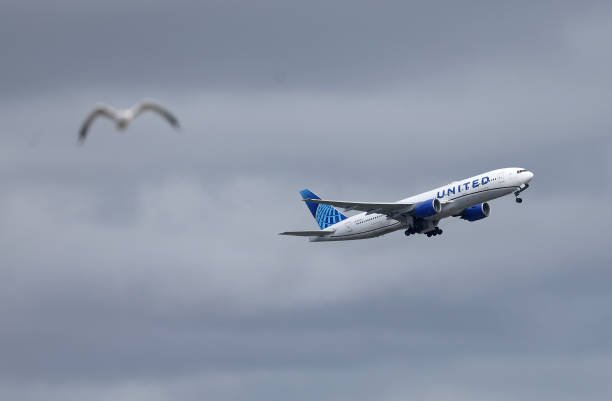
United Airlines Flight UA770 was operating a scheduled transatlantic service from New York JFK Airport to London Heathrow on August 17, 2025. The aircraft, a Boeing 777-200, carried 278 passengers and 15 crew members. The flight had departed on time under normal conditions, with favorable weather reported along the planned route. Shortly after cruising altitude was reached, the pilots detected an irregularity requiring immediate attention, prompting the initiation of emergency procedures and a planned diversion.
The incident occurred approximately three hours into the flight. While the cause was initially unclear, the crew acted decisively to prioritize passenger safety. Emergency protocols were activated, including notifying air traffic control, preparing the cabin for a potential diversion, and maintaining communication with ground authorities. Despite the unexpected event, the aircraft executed a safe landing at Chicago O’Hare International Airport, and no injuries were reported among passengers or crew.
Detailed Timeline of Events
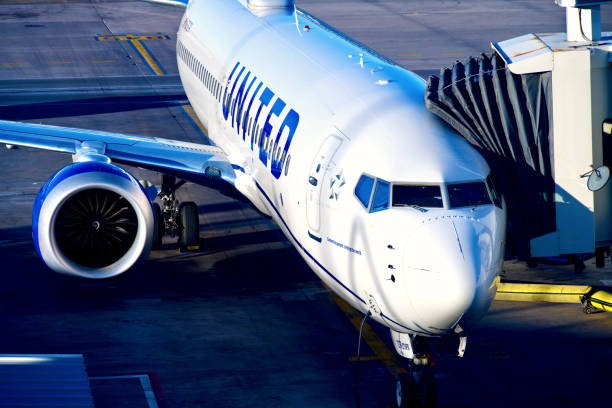
Shortly after takeoff from JFK, Flight UA770 climbed to cruising altitude without incident. Approximately 180 minutes into the flight, the flight deck crew detected a technical anomaly in the aircraft’s electrical system. The pilots immediately consulted the aircraft’s emergency checklists while notifying the cabin crew to prepare passengers for a potential diversion. Passengers reported unusual alarms and cabin announcements, signaling that the situation required attention but was under control.
Air traffic control was informed promptly, and the decision to divert to Chicago O’Hare was confirmed. The crew coordinated with the cabin team to secure all passengers, ensure seat belts were fastened, and provide updates to minimize panic. The pilots also communicated with the airline’s operations center for additional support and guidance.
During the approach to O’Hare, the flight deck managed airspeed, altitude, and landing configuration carefully. Ground emergency teams were alerted to the incoming aircraft. Despite the urgency, the landing was smooth, with the aircraft touching down safely. Passengers disembarked in an orderly manner, and the airport initiated standard safety and inspection procedures immediately following the landing.
Causes of the Emergency Diversion
1. Technical Malfunction
Flight UA770 experienced an electrical system irregularity that triggered warning indicators in the cockpit. Such malfunctions can affect critical flight instruments and require immediate attention to maintain operational safety. The pilots followed standardized checklists to assess and manage the issue before deciding on a diversion.
2. Medical or Environmental Factors
Although initial reports considered medical emergencies among passengers, there were no confirmed health-related incidents. Environmental factors, such as unexpected turbulence or weather deviations, were ruled out as primary causes by the airline’s post-flight investigation.
3. Official Airline and Aviation Authority Statements
United Airlines released a statement confirming the safe landing of Flight UA770 and highlighted the professionalism of the flight crew. The Federal Aviation Administration (FAA) also confirmed that the diversion adhered to established emergency procedures, with no immediate threat to passenger safety, and launched a technical review of the aircraft systems involved.
Crew Actions and Decision-Making
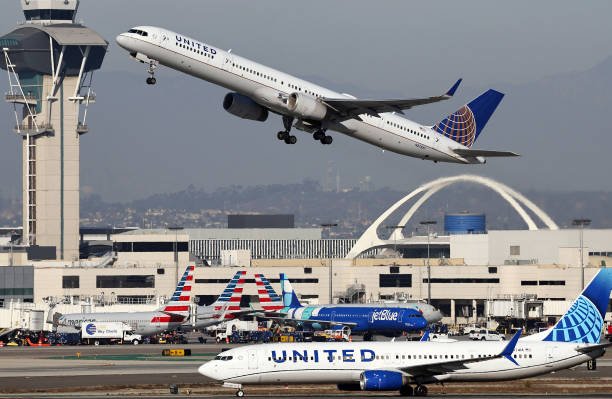
The flight crew of UA770 demonstrated prompt and professional decision-making throughout the incident. Upon detecting the technical irregularity, pilots consulted emergency checklists and assessed all available options. They prioritized passenger safety while ensuring the aircraft remained operationally secure. Coordination with the cabin crew was immediate, with clear instructions given to prepare the passengers for potential diversion procedures.
Communication with air traffic control was maintained continuously. The crew provided detailed information regarding the situation, including altitude, estimated arrival time, and required emergency services. Standard operating procedures were strictly followed, including cabin securement, passenger updates, and adherence to diversion protocols, which ultimately ensured a safe and controlled landing at Chicago O’Hare.
Passenger Experiences Onboard
Passengers onboard UA770 described a mix of concern and reassurance during the emergency. Eyewitness accounts on social media highlighted how the cabin crew maintained calm and provided step-by-step updates. Many noted the professionalism of the flight attendants in ensuring everyone remained seated and informed while addressing individual passenger needs.
Cabin announcements reassured passengers that the situation was being handled. Seatbelt signs remained illuminated, and crew members checked all aisles to confirm compliance. Passengers were instructed on safety measures, including brace positions and emergency protocols, which helped reduce anxiety during the descent.
Some passengers reported observing unusual cockpit alarms but expressed confidence in the crew’s handling. Social media posts praised the smooth communication between pilots and attendants, and most passengers highlighted the efficiency and calmness of the landing process. The overall experience underscored the importance of crew training and effective in-flight safety procedures in emergency situations.
Emergency Procedures and Safety Protocols
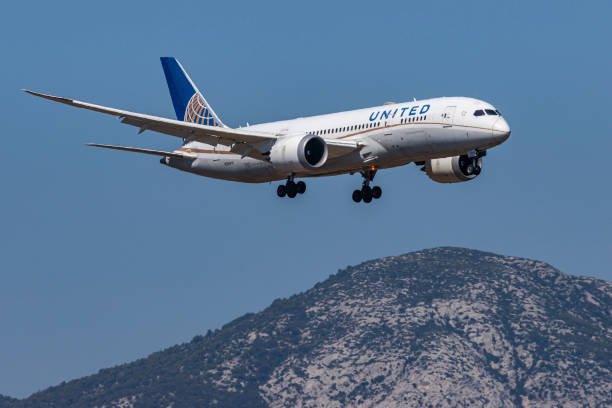
Standard operating procedures (SOPs) for in-flight emergencies guide pilots and crew through systematic responses to unexpected situations. These procedures cover technical malfunctions, medical incidents, fire alerts, and diversion protocols. SOPs ensure that decisions are made quickly, risks are minimized, and passengers remain informed and safe. Crews undergo extensive training to simulate emergencies, reinforcing calm decision-making and effective communication. This preparation is critical for handling any deviations from normal operations and maintaining regulatory compliance during high-pressure situations.
During Flight UA770, these emergency protocols were executed precisely. The pilots followed checklists for electrical system anomalies, while the cabin crew secured passengers and coordinated with the cockpit. Announcements kept passengers calm, and seatbelt procedures were enforced. Communication with air traffic control and the airline operations center ensured that diversion planning was coordinated effectively. These measures illustrate how standardized safety protocols transform potentially dangerous situations into controlled, safe outcomes without compromising passenger security or operational integrity.
Airport Diversion Selection and Logistics
1. Reason for Choosing Chicago O’Hare
Chicago O’Hare was selected for the diversion due to its proximity to UA770’s flight path, long runways capable of accommodating a Boeing 777, and the availability of emergency services. The airport’s infrastructure supports rapid handling of diverted international flights, ensuring minimal risk during landing.
2. Emergency Readiness at the Airport
Ground teams were pre-alerted to provide immediate support, including firefighting units, medical assistance, and security. Emergency response protocols were activated to facilitate a safe and orderly landing for passengers and crew.
3. Coordination with Ground Staff
Airline operations staff and airport authorities coordinated to ensure gates, customs, and medical services were prepared. Logistics included refueling, technical inspections, and safe disembarkation while maintaining minimal disruption to other airport operations.
Aircraft Handling and Safe Landing
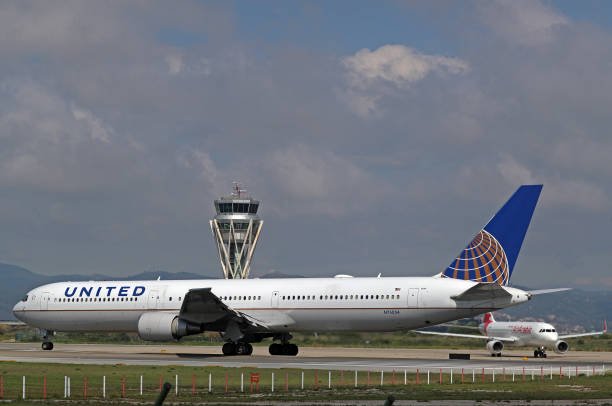
The flight crew of UA770 carefully managed the aircraft’s approach and landing using standard Boeing 777 procedures. Pilots adjusted altitude, airspeed, and descent rate to align with the runway while monitoring system alerts. Cabin crew ensured passengers remained seated and secured, and pre-landing checks were completed to maintain safety. After touchdown, ground emergency teams assisted with taxiing, and the aircraft was guided to a designated gate for inspection and passenger disembarkation.
The FAA and Boeing were involved in reviewing the incident post-landing. Technical teams inspected the aircraft systems to verify the electrical anomaly, ensuring no residual risk existed before returning the aircraft to service. Manufacturer guidelines and FAA standards guided this process, confirming adherence to safety regulations and industry best practices for emergency diversions.
Post-Incident Response and Investigation
United Airlines issued an official statement confirming all passengers and crew were safe, highlighting the professionalism of the flight team. The airline emphasized its commitment to transparency and the prioritization of safety while assuring stakeholders that the aircraft was carefully inspected.
Technical teams conducted thorough inspections, reviewing flight data, system logs, and cockpit alerts. Engineers assessed the electrical system anomaly that triggered the diversion to determine root causes and corrective actions.
Regulatory authorities, including the FAA, initiated follow-up reviews to evaluate operational compliance and assess lessons learned. These evaluations ensure the airline’s adherence to international aviation safety standards and help improve emergency protocols for future flights.
Media Coverage and Public Reaction
News Reports and Social Media Response
The incident received widespread media coverage, with outlets highlighting the safe landing and professional response by the UA770 crew. Passengers shared personal accounts on social media, praising the calm, organized procedures and timely communication during the diversion.
Impact on Airline Reputation
While the diversion caused temporary concern, United Airlines’ handling of the situation positively impacted public perception. Transparency, effective crew performance, and clear communication reinforced confidence in the airline’s safety culture and operational preparedness.
Strategic and Operational Lessons for Airlines
UA770’s emergency diversion underscores the importance of rigorous pilot training, robust safety protocols, and effective in-flight communication. Airlines benefit from continuous scenario-based drills and crew coordination exercises, which improve response efficiency. Operational strategies must include clear diversion procedures, collaboration with airports, and contingency planning to minimize disruptions. Lessons from this event reinforce the need for proactive risk management and highlight the value of integrating technical, human, and procedural safeguards to ensure passenger safety and maintain public trust.
Risks, Limitations, and Challenges in Emergency Diversions
Passenger anxiety and communication challenges are critical risks during emergency diversions. Fear, uncertainty, and lack of information can heighten stress, requiring crews to provide consistent updates. Managing large numbers of passengers safely while maintaining calm is an ongoing challenge in high-pressure situations.
Technical and regulatory constraints can limit diversion options. Aircraft system failures, weather conditions, or airspace restrictions may restrict alternate airports. Compliance with FAA rules and international aviation standards adds further complexity to emergency decision-making.
Environmental factors, such as severe weather or limited airport infrastructure, can create additional risks. Coordination between airlines, ATC, and ground staff must remain seamless to mitigate potential delays, ensure passenger safety, and prevent operational disruption during diversions.
Related Aviation and Technology Concepts
Squawk codes, including 7700 for general emergencies, allow pilots to alert air traffic control immediately of in-flight issues. ATC coordination ensures rapid prioritization of landing clearance and emergency support. Safety systems onboard, including redundancy in electrical and navigation systems, are critical to mitigating risk during diversions.
UA770’s incident demonstrates how emergency procedures, technical alerts, and regulatory compliance interconnect in aviation safety. Understanding these concepts highlights the importance of crew training, integrated communication systems, and pre-planned diversion protocols to maintain operational safety under pressure.
Key Takeaways and Lessons Learned
Flight UA770 emphasizes the value of preparedness, training, and strict adherence to safety protocols. Clear communication between pilots, cabin crew, ATC, and ground staff is essential to minimizing risk during diversions. Passengers’ safety and comfort remain the highest priority, demonstrating the importance of proactive crew management.
Long-term implications include improved safety culture, enhanced training programs, and integration of technological safeguards. Airlines can apply lessons from UA770 to refine emergency procedures, reinforce crew coordination, and maintain public confidence in commercial aviation operations.
Conclusion
United Airlines Flight UA770’s emergency diversion was managed with exemplary professionalism, highlighting the effectiveness of established safety protocols, trained crew, and coordination with air traffic control. The incident reinforces aviation safety standards while providing lessons for airlines worldwide. Passengers remained unharmed, and the aircraft was secured safely. This event underscores the importance of preparedness, operational discipline, and technology in mitigating risk, ensuring that emergency diversions are executed efficiently while maintaining passenger trust and confidence in the airline industry.
FAQs
What caused the United Airlines Flight UA770 emergency diversion today?
Passengers and aviation authorities reported that UA770 experienced a technical issue mid-flight, prompting an emergency diversion to Chicago. The crew followed standard safety protocols, ensuring a smooth landing. Investigations are ongoing to confirm the exact cause.
What is the current flight status of UA770?
Flight UA770, originally scheduled from Barcelona to Chicago, has safely landed at Chicago O’Hare following the emergency diversion. Passengers have disembarked, and the airline is coordinating inspections and further travel arrangements.
How often do United Airlines flights like UA770 get diverted?
Emergency diversions are rare but can occur due to technical malfunctions, medical emergencies, or weather conditions. Airlines prioritize safety, and pilots follow strict protocols to ensure passengers remain secure during these situations.
What should passengers know about UA770’s emergency landing?
Passengers should know that all safety protocols were followed, the crew remained professional, and no injuries were reported. Diversions, while stressful, are standard procedures designed to prevent risk and ensure safe arrivals.
How does United Airlines handle emergency diversions compared to other airlines?
United Airlines maintains strict SOPs, crew training, and coordination with air traffic control and emergency services. Similar to Delta, American, and other major carriers, their approach focuses on passenger safety, communication, and swift operational response.