Table of Contents
- Conducting Comprehensive Keyword Research
- Optimizing On-Page Elements
- Creating High-Quality Content
- Building Quality Backlinks
- Leveraging AI in SEO
- Monitoring and Analyzing Performance
- Staying Updated with SEO Trends
- Conclusion
In an era where digital competition grows fiercer by the day, building SEO success for your website has never been more vital. Whether you are launching a brand new site or optimizing an established platform, leveraging effective SEO strategies helps you rise above the noise. Every modern digital strategy should focus on enhancing visibility, user engagement, and long-term performance. Working with proven partners such as Victorious can streamline the process, guiding you toward better rankings and measurable growth.
As search engines rapidly evolve, mastering SEO means staying ahead of trends and adapting your approach. Rather than chasing quick wins, you need to commit to foundational best practices that work in today’s environment. This comprehensive guide walks you through the crucial steps, making it easier to transform your site into an SEO powerhouse.
Conducting Comprehensive Keyword Research
The first step in any effective SEO campaign is to identify the words and phrases your target customers are searching for. Tools such as Semrush and Ahrefs provide invaluable insights into keywords that can drive high-quality organic traffic to your site. Focus on uncovering long-tail keywords within your niche. These tend to be less competitive and more likely to connect you with visitors who have a clear intent.
Start by analyzing competitor sites and compiling a list of relevant terms. Use keyword difficulty and search volume data to gauge which phrases offer the best opportunities. Explore Google’s People Also Ask and related searches sections for inspiration. Crafting your keyword strategy around these findings ensures your content is discoverable and tailored to genuine queries.
Optimizing On-Page Elements
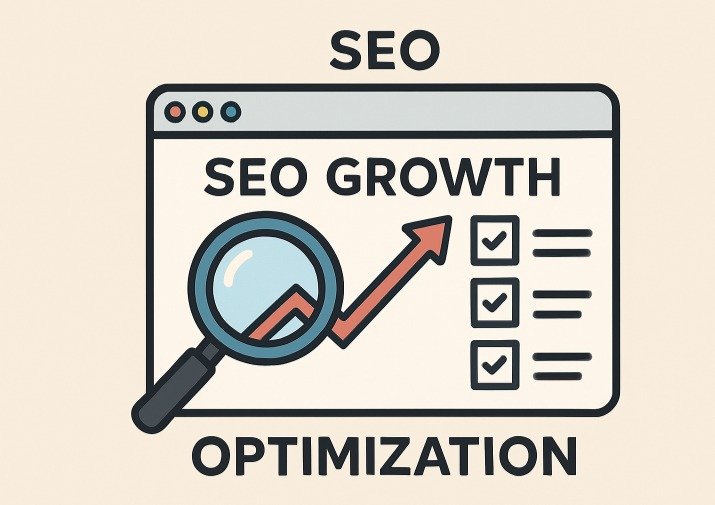
Fine-tuning the technical and structural elements of your web pages is essential for better search visibility. This process starts with crafting unique title tags that seamlessly integrate your primary keyword and entice clicks. Keep titles under 60 characters so they appear correctly in search results, and draft meta descriptions under 160 characters to provide a concise but compelling page summary.
Structuring your text with header tags (H1, H2, H3) makes it easier for both users and search engines to scan. Alt text for images should thoughtfully describe the visual content, which improves both accessibility and your site’s SEO authority. Taking the time to optimize these critical elements helps your site perform more effectively in search rankings.
Creating High-Quality Content
At the heart of lasting SEO results is well-crafted, original content. Your goal should be to address common pain points, answer key questions, and provide valuable solutions that position your brand as a go-to expert. Consistently publishing blog posts, guides, and case studies keeps your website fresh and signals authoritativeness to both visitors and search engines.
Strive for clarity, depth, and relevance in every article. Use actionable language, support your points with credible data, and include visual elements such as images or infographics where appropriate. Remember that high-quality content not only boosts rankings but also earns your audience’s trust and can lead to valuable sharing and linking from reputable sources.
Building Quality Backlinks
Earning links from reputable websites remains a core component of SEO. High-quality backlinks act as endorsements, telling search engines your content is trustworthy and valuable. Start by submitting guest posts to leading industry blogs and collaborating with other relevant sites for mutual linking. Participating in digital PR campaigns, expert roundups, and directory submissions can also help diversify your link profile.
Focus on acquiring links from authoritative domains rather than simply chasing a high quantity of links. Avoid low-quality link farms and spammy directories, as these can harm your site’s reputation over time. Building genuine relationships within your industry speeds up the backlink acquisition process while reinforcing your brand’s credibility.
Leveraging AI in SEO
Artificial Intelligence is rapidly changing the way marketers approach SEO. Tools like Semrush and other AI-assisted platforms offer insights that go far beyond traditional keyword research. These tools can help you anticipate changes in search behavior, adapt to emerging search engines, and pinpoint new growth opportunities. As search algorithms become more sophisticated, integrating AI into your workflow helps you stay responsive and proactive. For a broader perspective on AI advancements, check out Forbes’ overview on AI in search.
By continuously analyzing data trends and user intent, AI tools not only streamline routine SEO tasks but also provide advanced content recommendations and predictive analytics. This makes it far more attainable for businesses of any size to execute a well-informed, agile SEO strategy.
Monitoring and Analyzing Performance
Regularly assessing the results of your SEO efforts is key to sustained improvement. Leverage platforms like Google Analytics and Google Search Console to monitor important metrics such as organic traffic, bounce rate, and average session duration. Examine your keyword rankings and identify drops or rises in traffic patterns to optimize your content and strategies accordingly.
Pay special attention to conversion rates, as these indicate how effectively your site meets visitor intent. Use A/B testing and heatmaps to continuously refine the user experience and boost performance. A data-driven approach not only highlights quick wins but also uncovers areas for long-term growth and investment.
Staying Updated with SEO Trends
SEO is a constantly evolving field, with search engine algorithms and best practices changing frequently. Stay ahead by subscribing to leading industry publications, participating in online forums, and attending webinars or conferences when possible. Actively following updates allows you to pivot your strategy promptly and ensure ongoing compliance with new guidelines. Continuous learning is crucial to maintaining your site’s competitiveness. Engaging with expert communities and trusted resources ensures your tactics reflect the most current, effective methods in SEO. By following these foundational steps, you will create a robust SEO strategy that delivers long-term results. Focusing on research, optimization, content quality, link building, the use of AI, ongoing performance analysis, and continual education arms your website for success in today’s dynamic digital landscape.
Conclusion
In conclusion, a successful SEO strategy is built on a strong foundation of research, optimization, quality content, and continuous improvement. Thorough keyword analysis ensures you target real user intent, while on-page optimization and structured content enhance visibility and usability. High-quality backlinks and AI-driven insights further strengthen your competitive edge, allowing you to adapt quickly to shifting algorithms and search behaviors. Consistent monitoring and data analysis keep your strategy aligned with performance goals, helping you refine tactics for maximum impact. By staying informed about evolving SEO trends and committing to ongoing learning, you position your website for sustainable growth, increased authority, and long-term digital success.