Game Summary & Final Score
The Seattle Seahawks narrowly defeated the Chicago Bears 6-3 in Week 17, December 26, 2024. Both teams struggled offensively throughout the game, with defenses dominating. Seattle’s late interception by Woolen sealed the win, ending the Bears’ hopes of a comeback. The Seahawks managed to capitalize on a key drive, converting limited opportunities into points. Despite the low score, the match showcased intense defensive pressure and strategic play-calling on both sides.
Team Stats Comparison: Seattle vs Chicago
The Seahawks outgained the Bears in total yards, posting 265 compared to Chicago’s 179. Seattle executed 51 total plays while Chicago ran 58, showing the Bears struggled to gain yards per play efficiently. The Seahawks gained 5.2 yards per play, significantly higher than Chicago’s 3.1, reflecting Seattle’s ability to move the ball in key situations. Rushing contributed 122 yards for Seattle versus 103 for Chicago, balancing the attack.
In first downs, Seattle led slightly with 12 compared to Chicago’s 11. Passing efficiency also favored Seattle with 143 passing yards against Chicago’s 76, while both teams had seven completions resulting in first downs. Drives were evenly matched with 10 per team, but the Seahawks converted more efficiently in scoring opportunities. Time of possession slightly favored the Bears, but it did not translate into points. Overall, Seattle’s efficiency on critical plays proved decisive.
Passing Leaders
Geno Smith led the Seahawks passing attack with 143 yards, completing 14 of 23 attempts. He spread the ball well, connecting with multiple receivers to keep the Bears’ secondary guessing. Despite a low-scoring game, Smith demonstrated poise under pressure, avoiding turnovers while orchestrating key drives. His yards per attempt reflected consistent, conservative decisions, maximizing efficiency against a tough defensive front. Smith’s late-game management helped maintain the lead and secure the narrow victory.
For Chicago, the quarterback struggled to generate offense, completing only 6 of 16 passes for 76 yards. The Bears’ passing attack was stifled by Seattle’s pass rush, limiting space and forcing short completions. Despite aggressive attempts, their drives often stalled, resulting in punts or low-value gains. Chicago’s QB attempted to find rhythm, but constant pressure and tight coverage reduced effectiveness. Timing issues and drops from receivers also contributed to the stagnant passing stats.
Seattle’s passing success relied on accurate throws to wideouts and tight ends. Tyler Lockett and DK Metcalf played critical roles, gaining separation on short routes and converting third downs. The Seahawks’ use of quick passes and screens minimized risk while maintaining yardage. Chicago’s defensive schemes focused on zone coverage, but Seattle adjusted with well-timed audibles. Smith’s composure under pressure allowed for careful progression through reads, making the passing game the most efficient aspect of Seattle’s offense.
Rushing Leaders
Zach Charbonnet led Seattle’s rushing effort with 26 carries for 122 yards, showcasing strong inside runs and decisive cuts. His ability to gain yardage consistently kept drives alive in the low-scoring contest.
For Chicago, David Montgomery carried the bulk of the load, totaling 20 rushes for 87 yards. Despite solid effort, he encountered frequent tackles for minimal gains, reflecting Seattle’s stout defensive front.
Seattle’s balanced approach allowed Charbonnet to mix between power and outside runs, keeping the Bears guessing. Effective blocking by the offensive line opened gaps and created space, giving Seattle a rushing advantage over Chicago throughout the game.
Receiving Leaders & Targets
Seattle Seahawks Receiving Leaders
DK Metcalf topped Seattle’s receiving stats with 5 catches for 61 yards. His physicality and route running created separation on critical downs, helping maintain offensive momentum.
Tyler Lockett Contributions
Tyler Lockett added 4 receptions for 47 yards, converting key third downs. His precise routes and ability to find soft spots in coverage complemented Seattle’s passing efficiency.
Chicago Bears Receiving Stats
Darnell Mooney led Chicago with 3 receptions for 34 yards. Limited opportunities and strong defensive coverage hindered Bears’ passing potential, forcing reliance on short passes and screens to gain yardage.
Defensive Stats Highlights
Seattle’s defense dominated with a late interception that secured the win. They recorded 2 sacks and 5 quarterback pressures, keeping the Bears’ offense under constant stress. Linebackers and secondary coordination prevented big plays, forcing multiple three-and-outs.
Chicago’s defense forced some early punts and limited big gains but failed to capitalize on opportunities. Despite holding Seattle to just six points, missed tackles and coverage lapses allowed key plays to advance, showing a strong effort overshadowed by Seattle’s strategic execution.
Turnovers & Impact Plays
Seattle’s game-winning interception was the decisive turnover, occurring in the fourth quarter and ending Chicago’s chance to score. Defensive backs played aggressively, anticipating passes and creating pressure.
Chicago struggled with ball security, losing one key fumble on a short run. Limited offensive production and failure to convert turnovers into points contributed to the low-scoring defeat, underlining Seattle’s defensive impact in critical moments.
Field Goals & Scoring Plays Breakdown
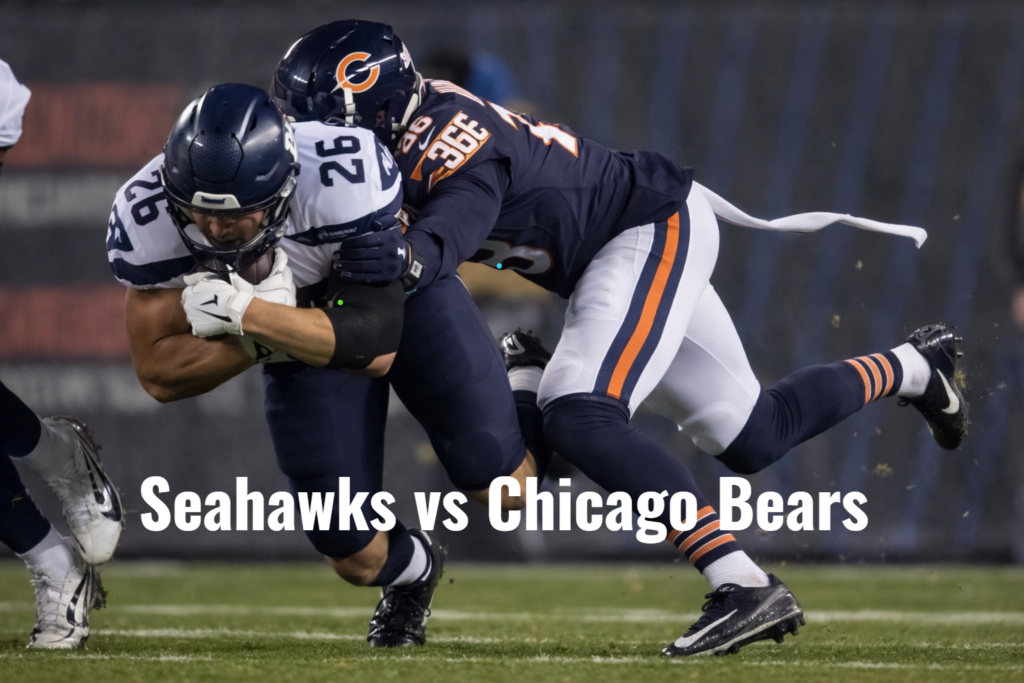
Seattle’s sole scoring drive resulted in a 3-point field goal by Jason Myers. The drive utilized short passes and controlled runs to reach scoring range efficiently.
Chicago’s only points came from Cairo Santos’ 3-point field goal early in the third quarter. The Bears had multiple stalled drives near the red zone, preventing touchdowns despite favorable field position.
Both kickers were accurate on attempts, with long-range consistency. Scoring relied heavily on precise special teams execution and conservative offensive play-calling, emphasizing defense-driven, low-scoring dynamics that defined the game.
Yards Per Play & Efficiency Metrics
Seattle averaged 5.2 yards per play, showing effective utilization of limited possessions. Efficient passing and rushing contributed to the team’s ability to convert critical third downs.
Chicago averaged 3.1 yards per play, reflecting difficulties generating big gains. Conservative rushing and stifled passing made drives inefficient, leading to punts and missed scoring opportunities despite solid defensive work.
First Downs & Situational Performance
Third-Down Conversions
Seattle converted 3 of 8 third-down attempts, gaining essential first downs. Chicago also converted 3 of 9, but efficiency was lower in critical moments.
Red Zone Performance
Seattle managed one red zone scoring drive resulting in a field goal. Chicago reached red zone twice but failed to convert any points, showing offensive struggles under pressure.
Key Situational Plays
Seattle’s key short-yardage plays kept drives alive, particularly on third-and-short. Chicago relied heavily on passing, which was stifled by Seattle’s coverage, resulting in stalled drives.
Time of Possession & Game Flow Analysis
- Bears controlled possession slightly, 30:20 vs Seahawks’ 29:40, but failed to convert into points.
- Seattle maintained consistent drive efficiency, maximizing yards per play despite less possession.
- Early-game possessions favored Chicago, but defensive stops shifted momentum to Seahawks.
- Seahawks’ late possession drives consumed clock, limiting Bears’ scoring opportunities.
- Game flow highlighted defensive dominance with limited offensive breakthroughs for both teams.
Special Teams Contributions
Special teams played a critical role, converting field goals and maintaining field position. Jason Myers and Cairo Santos were flawless in field goal attempts, contributing directly to the final score.
Punting and kickoff coverage affected field position for both teams. Seattle’s coverage units limited Bears’ returns, forcing poor starting positions. Chicago’s returns occasionally gained moderate yardage, but overall, special teams could not alter the game outcome.
Injury / Absence Notes
Seattle lost linebacker Cody Barton to a minor hamstring issue, but backup rotation kept defense effective. Offensive line remained intact, contributing to successful rushing stats.
Chicago’s offensive line was missing a key starter, affecting quarterback protection. The Bears’ defensive secondary also had one player limited due to injury, creating exploitable gaps.
Overall, injuries impacted rotations but did not drastically change game flow. Both teams adapted, with substitutes performing well under pressure, maintaining competitive balance throughout the match.
Player Grades & Efficiency Ratings
Geno Smith earned the highest efficiency rating for Seattle, managing the passing game with no turnovers. Zach Charbonnet also received praise for rushing consistency.
For Chicago, individual player efficiency was lower, with David Montgomery showing effort in rushing, but QB performance and lack of scoring limited overall impact. Defensive players earned moderate grades for effort, but missed key opportunities allowed Seahawks to secure victory.
Quick Game Facts & Records
The 6-3 final score marked one of the lowest-scoring games of Week 17. Seahawks improved playoff positioning while Chicago fell short despite strong defense. Total combined yards were 444, reflecting a defensive battle. Seattle’s interception was the deciding play, and no player achieved 100 yards receiving. The game underscored efficient execution over big plays, highlighting strategic management and situational awareness from both teams.
Conclusion
The Seahawks’ 6-3 victory over the Chicago Bears showcased a defensive battle where efficiency and key plays decided the outcome. Seattle capitalized on critical opportunities, including a late interception and consistent rushing, while Chicago struggled to convert possessions into points. Player stats highlight standout performances like Geno Smith’s passing and Charbonnet’s rushing. Overall, this game emphasizes strategic execution, situational awareness, and the importance of defense in shaping NFL outcomes.
FAQs
Who were the top performers in the Seahawks vs Chicago Bears game?
Geno Smith led Seattle in passing with 143 yards, while Zach Charbonnet dominated the rushing attack with 122 yards. DK Metcalf and Tyler Lockett were key receiving threats. For Chicago, David Montgomery and Darnell Mooney were notable contributors, though the team struggled to convert drives into points. Defensive highlights included a late interception by Seattle that secured the win.
What was the final score of the Seahawks vs Bears game?
The Seattle Seahawks narrowly defeated the Chicago Bears 6-3 in Week 17 on December 26, 2024. Both teams struggled offensively, and the low-scoring affair was decided by a late defensive play.
How did Seattle and Chicago compare in team stats?
Seattle outgained Chicago 265 to 179 total yards and averaged 5.2 yards per play versus Chicago’s 3.1. The Seahawks converted critical third downs efficiently, while Chicago had more total plays (58) but failed to turn them into scoring opportunities. Time of possession slightly favored Chicago, but Seattle’s efficiency led to the win.
Who led in rushing and receiving for both teams?
Zach Charbonnet led the Seahawks with 122 rushing yards, and David Montgomery led the Bears with 87 yards. In receiving, DK Metcalf (61 yards) and Tyler Lockett (47 yards) were top for Seattle, while Darnell Mooney (34 yards) led Chicago’s receivers.
Were there any key turnovers or impact plays?
Yes, Seattle’s late interception by Woolen was the decisive turnover, ending Chicago’s comeback hopes. The Bears also lost a fumble during the game. These turnovers highlighted the defensive dominance and played a key role in the low-scoring result.