Pappedeckel has become an increasingly important material in modern packaging and product design. Known for its durability and versatility, it is widely used across industries ranging from food and beverage to publishing and retail. As businesses shift toward more sustainable alternatives, demand for strong, recyclable materials continues to grow. Pappedeckel offers an effective balance between strength, flexibility, and environmental responsibility, making it a preferred choice for manufacturers seeking practical and eco-conscious solutions in today’s competitive market.
In recent years, global awareness of environmental issues has significantly boosted the demand for recyclable packaging materials. Companies are actively reducing plastic usage and adopting fiber-based products to meet consumer expectations and regulatory standards. Pappedeckel plays a key role in this transition due to its renewable composition and adaptability. Its ability to provide structural support while remaining lightweight makes it suitable for numerous applications. As sustainability becomes a core business priority, the popularity of Pappedeckel continues to expand across diverse industries worldwide.
What Is Pappedeckel? Definition and Core Meaning
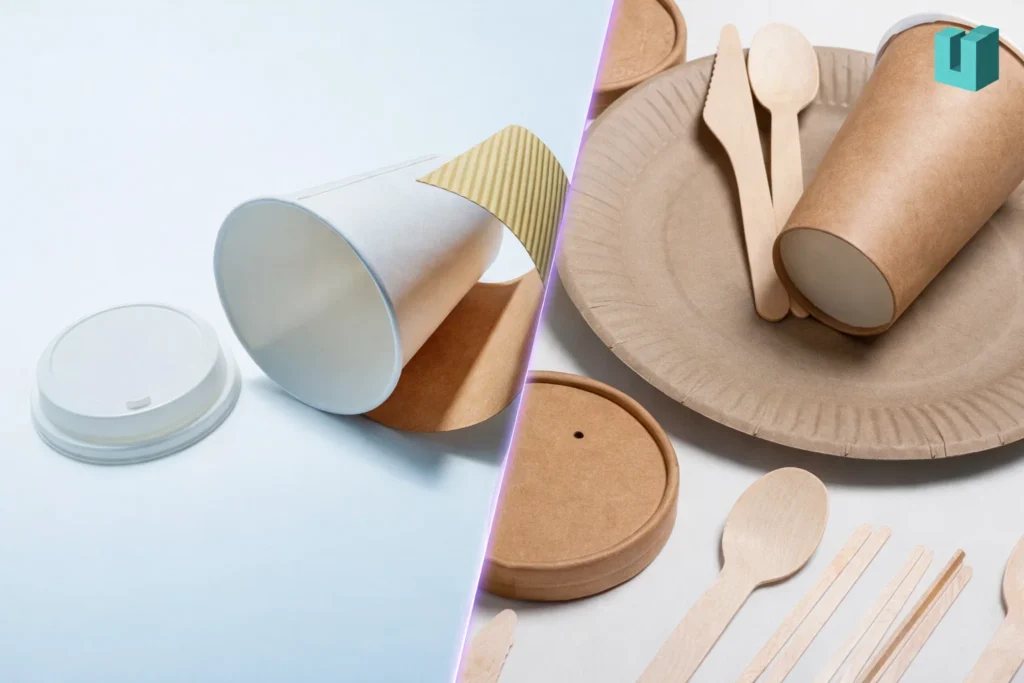
Pappedeckel is a German term used to describe thick cardboard or paperboard produced by compressing layers of paper fibers. It is stronger and denser than regular paper yet lighter than many rigid materials such as wood or plastic. The material is commonly used in packaging, bookbinding, crafts, and structural supports where durability is required. Its layered construction enhances rigidity, making it suitable for applications that demand both strength and flexibility in everyday industrial and commercial use.
At its core, Pappedeckel represents a sustainable fiber-based board designed to provide structural stability and surface consistency. It can be produced in varying thicknesses depending on its intended purpose. Manufacturers often treat or coat it to improve moisture resistance or surface finish. Because it is recyclable and often made from recycled fibers, it aligns well with modern environmental standards. The combination of strength, adaptability, and eco-friendly properties defines the true meaning and value of Pappedeckel in contemporary manufacturing.
History and Evolution of Pappedeckel in Packaging
The origins of Pappedeckel can be traced back to early paper-making traditions in Europe, where thicker paper materials were developed for book covers and protective packaging. As printing and publishing industries expanded, the need for durable backing materials increased. Craftsmen began compressing layers of paper pulp to create stronger boards capable of protecting valuable documents and bound books. This marked the early evolution of fiberboard materials that would later become widely recognized as Pappedeckel.
During the Industrial Revolution, advancements in machinery enabled the mass production of cardboard and paperboard products. This period significantly transformed packaging practices, as manufacturers required cost-effective and reliable materials for shipping goods. Pappedeckel evolved with improved pressing techniques and uniform thickness control. Its affordability and strength made it ideal for industrial packaging, storage boxes, and protective inserts, helping it gain widespread adoption across European markets and beyond.
In the modern era, technological innovation has further refined Pappedeckel production. Enhanced fiber processing, precision layering, and environmentally responsible sourcing have elevated its quality and sustainability. Today, it is not only a packaging solution but also a preferred material in creative industries, product displays, and eco-conscious branding. Its evolution reflects broader changes in manufacturing priorities, shifting from simple durability toward sustainability, efficiency, and environmental stewardship in global supply chains.
Types of Pappedeckel Available in the Market
Solid Pappedeckel
Solid Pappedeckel is a sturdy, consistent board created by tightly compressing layers of paper fibers. It is typically used in applications requiring high strength and stability, such as book covers, rigid packaging, and protective backings. The smooth surface allows for printing, lamination, or decorative finishing. Due to its compact structure, it offers excellent durability and resistance to bending, making it a reliable choice for structural support in both commercial and creative projects.
Layered or Multi-Ply Pappdeckel
Layered Pappedeckel consists of multiple sheets of paper pulp bonded together under pressure. This construction enhances thickness and load-bearing capacity while maintaining manageable weight. It is commonly used for shipping cartons, display boards, and industrial packaging solutions. The layered design provides flexibility in customization, allowing manufacturers to adjust thickness according to specific performance requirements. Its balance of strength and cost-effectiveness makes it popular in large-scale production environments.
Recycled and Specialty Pappedeckel
Recycled Pappedeckel is produced primarily from recovered paper materials, supporting sustainable manufacturing practices. It maintains sufficient durability for packaging and crafts while reducing environmental impact. Specialty variants may include moisture-resistant coatings, colored finishes, or enhanced surface treatments for branding purposes. These customized options cater to niche markets such as luxury packaging and creative design industries. The availability of recycled and specialty types highlights the adaptability of Pappedeckel in modern commerce.
How Pappedeckel Is Made: Step-by-Step Process
The production of Pappedeckel begins with the collection and preparation of paper fibers, either from recycled materials or virgin pulp. These fibers are cleaned, refined, and mixed with water to create a uniform pulp mixture. The pulp is then evenly distributed onto large forming screens, where excess water is drained away. This initial stage shapes the material into thick sheets while ensuring consistent fiber distribution for structural integrity.
After forming, the sheets undergo pressing and drying processes to remove remaining moisture and increase density. Heavy rollers compress the layers, improving strength and smoothness. The boards are then cut into standardized sizes and may receive additional treatments such as coating or lamination. Quality checks ensure thickness accuracy and surface consistency. Once finished, the Pappedeckel sheets are ready for packaging, printing, or conversion into various commercial products.
Raw Materials Used in Pappedeckel Production
The primary raw material used in Pappedeckel production is paper fiber derived from wood pulp or recycled paper sources. Virgin pulp typically comes from sustainably managed forests, while recycled fibers are collected from used paper products. These fibers are processed and refined to achieve the desired strength and texture. Water is also an essential component, as it helps form the pulp mixture and facilitates even distribution during sheet formation.
In addition to fibers and water, manufacturers may incorporate binding agents or natural additives to enhance durability and surface quality. Some products include protective coatings to improve moisture resistance or print compatibility. Sustainable sourcing of raw materials has become increasingly important, encouraging the use of recycled content and eco-friendly chemicals. The careful selection of materials ensures that Pappedeckel maintains both performance standards and environmental responsibility.
Manufacturing Techniques and Quality Standards
Modern manufacturing techniques for Pappedeckel focus on precision and efficiency. Advanced machinery controls pulp distribution, sheet thickness, and compression levels to ensure uniformity. Automated systems monitor moisture content and pressing pressure throughout production. These technologies minimize defects and improve consistency across large production volumes. As a result, manufacturers can meet strict industry specifications while maintaining cost-effective operations and reducing material waste.
Quality standards play a crucial role in ensuring the reliability of Pappedeckel products. Tests are conducted to measure thickness tolerance, bending strength, density, and surface smoothness. Manufacturers follow international guidelines to guarantee safety and performance, particularly for packaging applications. Consistent quality checks throughout the production cycle help prevent structural weaknesses and ensure that each batch meets established benchmarks.
Environmental and sustainability standards are also integrated into modern production processes. Many facilities adopt energy-efficient systems and responsible waste management practices to reduce environmental impact. Certification programs encourage the use of recycled fibers and sustainable forestry sources. By aligning manufacturing techniques with global environmental regulations, producers ensure that Pappedeckel remains a competitive and responsible material choice in contemporary industries.
Key Features and Technical Properties of Pappedeckel
- High Density and Strength – Offers excellent rigidity and load-bearing capacity for packaging and structural support.
- Thickness Versatility – Available in multiple thickness levels to meet industrial and commercial requirements.
- Smooth Surface Finish – Suitable for printing, lamination, coating, and decorative applications.
- Lightweight Structure – Provides durability without adding excessive weight to products.
- Recyclable Composition – Often made from recycled fibers and fully recyclable after use.
- Customizable Performance – Can be treated for moisture resistance, enhanced durability, or improved flexibility.
Major Uses of Pappedeckel in Modern Industries
Pappedeckel is widely used across multiple industries due to its strength and adaptability. In the packaging sector, it serves as a reliable material for boxes, protective inserts, and display boards. Retail businesses use it for product packaging that requires durability without excessive weight. The publishing industry also relies on it for book covers and hardback bindings, where structural stability is essential. Its ability to support printing and finishing processes makes it valuable in branding and promotional materials.
Beyond packaging and publishing, Pappedeckel plays an important role in manufacturing and creative industries. Furniture designers use it for lightweight prototypes and structural components. Educational institutions incorporate it into craft projects and learning materials due to its ease of cutting and shaping. Industrial sectors depend on it for protective layering during shipping and storage. Its versatility allows it to function in both heavy-duty and artistic applications, demonstrating its broad industrial relevance.
Pappedeckel in Sustainable and Eco-Friendly Packaging
Growing Demand for Green Packaging
Sustainability has become a central focus for businesses aiming to reduce environmental impact. Pappedeckel aligns with eco-friendly packaging strategies because it is fiber-based and recyclable. Many companies are transitioning away from plastic materials in favor of renewable alternatives. This shift is driven by consumer awareness and regulatory pressure. Pappedeckel provides strength and functionality while supporting responsible sourcing practices, making it an effective solution for sustainable packaging initiatives.
Reduced Plastic Dependency
One of the major environmental advantages of Pappedeckel is its ability to replace plastic in many applications. From beverage carriers to rigid packaging inserts, it offers comparable durability with significantly lower environmental impact. Unlike plastic materials that persist for decades, fiber-based boards decompose more naturally when processed correctly. By integrating Pappedeckel into packaging systems, businesses can significantly lower their carbon footprint and contribute to global sustainability goals.
Supporting Circular Economy Models
Pappedeckel supports circular economy principles by encouraging recycling and reuse. Many manufacturers incorporate high percentages of recycled fibers into production, reducing demand for virgin resources. After use, the material can be collected and reprocessed into new boards, minimizing waste. This continuous recycling cycle reduces landfill accumulation and energy consumption. As industries adopt circular production models, Pappedeckel remains a practical and environmentally responsible material choice.
Environmental Impact and Recycling Benefits
Pappedeckel has a comparatively low environmental footprint when responsibly produced and recycled. Because it is primarily composed of paper fibers, it is biodegradable under appropriate conditions. Sustainable forestry practices further reduce ecological harm when virgin pulp is used. Energy-efficient production technologies also contribute to lower emissions during manufacturing. These combined factors make Pappedeckel a more environmentally conscious alternative to many synthetic packaging materials currently used worldwide.
Recycling plays a crucial role in enhancing the environmental value of Pappedeckel. Used boards can be collected, processed, and transformed into new fiber-based products. This reduces landfill waste and decreases reliance on raw materials. Recycling also conserves water and energy compared to producing entirely new pulp. By maintaining an effective recycling infrastructure, industries can maximize the life cycle of Pappedeckel and significantly minimize environmental degradation.
Pappedeckel vs Cardboard vs Paperboard: Key Differences
Pappedeckel is typically thicker and denser than standard cardboard, offering greater rigidity and structural strength. While cardboard often consists of corrugated layers designed for shipping boxes, Pappedeckel usually has a solid, compressed composition. This makes it more suitable for applications requiring flat, stable surfaces such as bookbinding or rigid packaging. Its uniform density provides enhanced durability compared to many common cardboard types.
Paperboard, on the other hand, is generally thinner and lighter than Pappdeckel. It is frequently used for lightweight packaging like cereal boxes or cosmetic cartons. Although paperboard offers good printability and flexibility, it may not provide the same structural strength as Pappedeckel. The difference mainly lies in thickness, density, and intended application. Pappedeckel is often selected when additional strength and stiffness are necessary.
In practical use, the choice between these materials depends on performance requirements. Cardboard is ideal for shipping and cushioning, paperboard suits lightweight retail packaging, and Pappedeckel excels in rigid, durable applications. Each material serves a distinct purpose in packaging and manufacturing. Understanding these differences helps businesses select the most appropriate solution for cost, durability, and sustainability goals.
How to Choose High-Quality Pappedeckel for Your Needs
Choosing high-quality Pappedeckel starts with assessing its thickness and density. The intended application determines whether a lightweight or heavy-duty board is required. For structural support or bookbinding, thicker boards provide better rigidity. Surface smoothness is another important factor, especially for printing or decorative finishes. Inspecting uniformity and fiber consistency ensures reliable performance and long-term durability in commercial or creative uses.
Moisture resistance and coating options should also be considered when choosing Pappedeckel. In environments exposed to humidity or liquids, treated boards offer improved durability. Certifications related to sustainable sourcing and recycling content may indicate higher production standards. Buyers should verify that the material meets industry-specific regulations, particularly for packaging applications. Quality assurance testing results can further confirm product reliability.
Cost-effectiveness is another essential consideration when making a selection. While higher-density boards may be more expensive, they often provide better performance and longer service life. Comparing supplier reputations and production standards helps ensure consistent quality. Businesses should assess both functional requirements and sustainability goals before making a decision. Careful evaluation ensures the chosen Pappedeckel meets performance expectations without exceeding budget constraints.
Advantages and Limitations of Pappedeckel
Pappedeckel offers numerous advantages, including strength, versatility, and recyclability. Its dense structure provides reliable support in packaging and bookbinding applications. The material is lightweight compared to wood or plastic alternatives, making it cost-efficient for transportation. Additionally, its compatibility with printing and finishing processes enhances branding opportunities. Because it is fiber-based and often recyclable, it supports environmentally responsible production practices across industries.
Despite its benefits, Pappedeckel also has certain limitations. It may be less resistant to prolonged moisture exposure compared to plastic or treated composite materials. In extremely heavy-duty applications, alternative materials might provide superior durability. Additionally, without protective coatings, it can be vulnerable to warping under high humidity. Understanding these limitations allows manufacturers to apply Pappedeckel appropriately and enhance its performance through suitable treatments when necessary.
Future Trends and Innovations in Pappedeckel Industry
The future of the Pappedeckel industry is closely tied to sustainability advancements and technological innovation. Manufacturers are investing in improved recycling systems and energy-efficient production methods. Research into stronger fiber blends and biodegradable coatings aims to enhance durability without compromising environmental responsibility. These innovations are expected to increase the competitiveness of Pappedeckel in global packaging markets.
Digital printing compatibility and customization technologies are also shaping industry growth. Businesses increasingly demand personalized packaging solutions, and Pappedeckel provides an adaptable surface for high-quality printing. Advanced manufacturing equipment enables precise thickness control and improved surface finishes. As automation expands, production efficiency continues to improve, reducing waste and operational costs.
Looking ahead, the integration of smart packaging features may further transform the industry. Incorporating tracking labels, interactive elements, or enhanced barrier properties could expand its applications. Continued emphasis on circular economy practices will likely drive innovation in fiber recovery and reuse systems. With rising environmental awareness and evolving consumer expectations, Pappedeckel is positioned to remain a vital material in modern industries.
Conclusion
In conclusion, Pappedeckel stands out as a versatile, durable, and environmentally friendly material that meets the demands of modern industries. Its combination of strength, lightweight structure, and recyclability makes it ideal for packaging, bookbinding, crafts, and sustainable product solutions. As businesses increasingly prioritize eco-conscious practices, Pappedeckel provides a practical alternative to plastic and other non-renewable materials. With continuous innovations in manufacturing, surface treatments, and customization, its applications are expanding across diverse sectors. By choosing Pappedeckel, companies can enhance product quality, support sustainability initiatives, and contribute to a circular economy, making it a forward-thinking material for the future.
FAQs
What is Pappedeckel made of?
Pappedeckel is primarily made from compressed paper fibers, either from recycled sources or virgin pulp. The fibers are layered and pressed to create a dense, durable board suitable for packaging, book covers, and other structural uses.
What are the main uses of Pappedeckel?
It is widely used in packaging, protective inserts, bookbinding, crafts, display boards, and industrial applications where lightweight strength and rigidity are required.
Is Pappedeckel eco-friendly?
Yes, Pappedeckel is recyclable, biodegradable, and often made from recycled fibers, making it a sustainable alternative to plastics and other non-renewable materials.
How is Pappedeckel different from cardboard or paperboard?
Pappedeckel is denser, thicker, and stronger than standard cardboard or paperboard, providing superior rigidity and load-bearing capacity for structural applications.
Can Pappedeckel be customized?
Yes, it can be coated, laminated, or printed on, and its thickness and properties can be adjusted to suit specific industrial, commercial, or creative needs.
Latest Blogs