Cevurı is a traditional Turkish dish linked with Anatolian cooking culture. It is known for rich flavor, slow preparation, and simple ingredients. Many people now search for Cevurı because interest in authentic foods is rising. This dish represents family meals, patience, and the beauty of homemade cooking traditions.
What Is Cevurı?
Cevurı is usually a one-pot meal made with meat, vegetables, herbs, and spices. It cooks slowly until everything becomes soft and flavorful. Different homes prepare it in different ways. That is why Cevurı is seen more as a cooking tradition than a fixed recipe itself.
Meaning of the Name
The name Cevurı sounds unique and attracts curiosity online. While exact origins may vary, many people connect it with regional Turkish culinary traditions. Sometimes, the names of old dishes change slightly through generations. This makes traditional food names interesting and culturally valuable across communities today.
Origins in Anatolia
Anatolia has a long history of farming, trade, and village life. Families created meals using available ingredients and practical methods. Slow-cooked dishes became common because they were filling and easy to manage. Cevurı likely developed from this lifestyle and remained popular through generations there.
Why Villages Preferred It
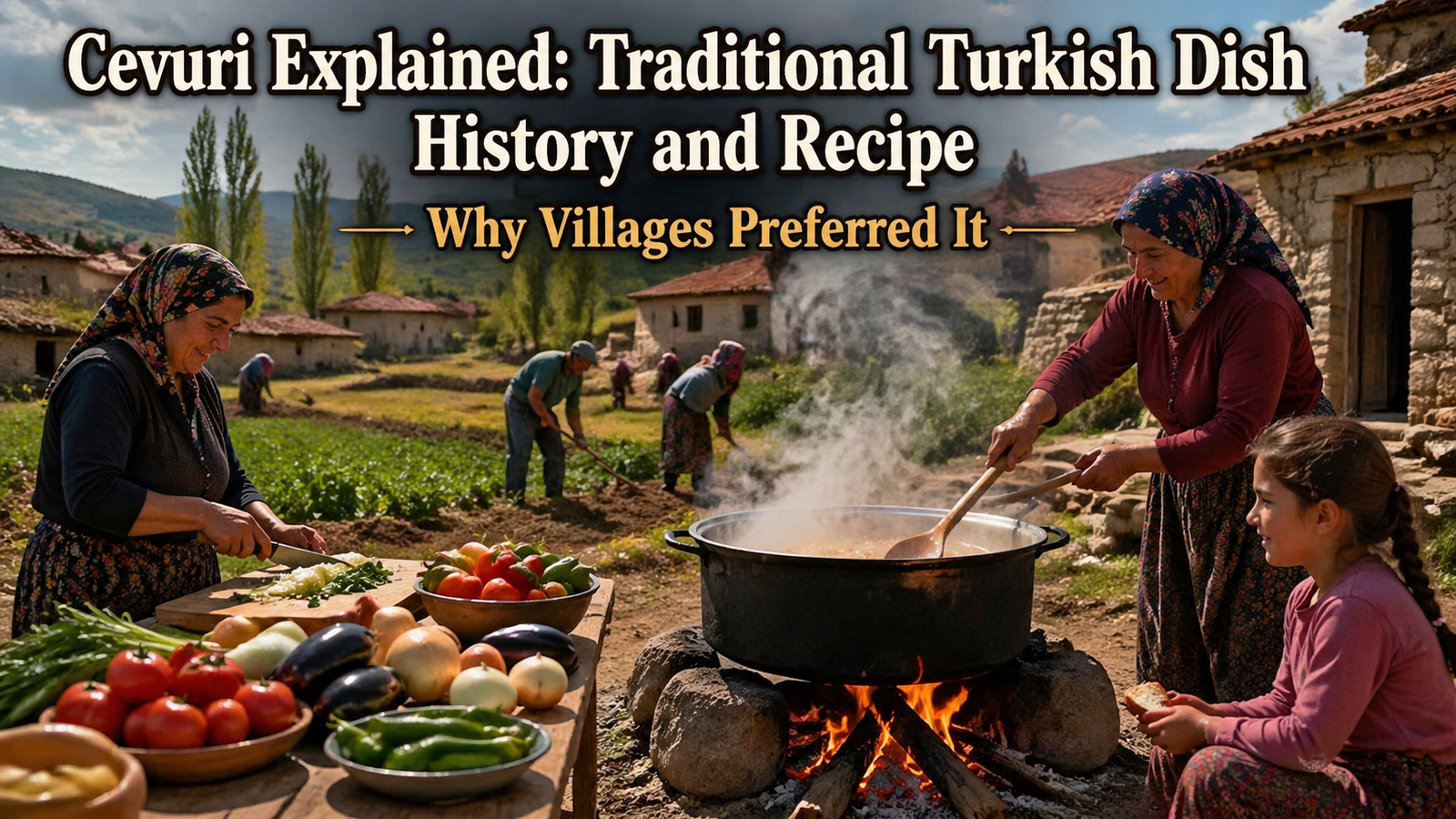
Village families needed meals that could be cooked while they worked outside. A pot placed over low heat could slowly prepare food during the day. By evening, everyone returned to a warm dinner. Cevurı perfectly matched the rhythm of hardworking rural life and tradition.
Family Recipe Tradition
Many Turkish families pass recipes from parents to children through practice, not books. Cevurı often changes slightly in each home. One family may add extra garlic, another may prefer lamb. These small changes help preserve family identity while keeping traditions alive for years.
Why Cevurı Is Special
Cevurı is special because it gives more than just flavor. It helps bring family and friends together at one table, creating a warm and welcoming meal experience. It is often enjoyed with bread or rice. This sense of togetherness makes traditional dishes meaningful in today’s fast-moving world.
Rich Natural Flavor
The flavor of Cevurı comes from onions, tomatoes, herbs, meat juices, and slow heat. It does not need artificial sauces or heavy processing. Time is the main ingredient. As everything cooks together, the taste becomes deeper, smoother, and naturally satisfying for everyone.
Main Meat Choices
Traditional Cevurı may use lamb, beef, or chicken. Lamb is often considered the richest option because it gives a deeper flavor. Beef creates a hearty meal, while chicken offers a lighter version. Families choose meat based on budget, taste, and local availability nearby.
Vegetables Commonly Used
Vegetables are an important part of Cevurı. Onions, tomatoes, peppers, potatoes, and eggplant are common choices. They add sweetness, texture, and nutrition. During cooking, vegetables soften into the sauce and blend with meat juices, creating a balanced and filling traditional meal experience.
Spices and Herbs
Simple seasonings help shape the final taste of Cevurı. Salt, black pepper, paprika, thyme, and oregano are often used. Some regions add stronger chili flavors. These spices do not dominate the dish. Instead, they support the natural ingredients beautifully and gently.
Cooking Oil Options
Olive oil is popular in many Turkish kitchens, especially in coastal areas. Butter is another common choice that gives richer flavor. Some families combine both for balance. The cooking fat helps brown the meat first and supports the aroma of onions and spices.
Traditional Pot Cooking
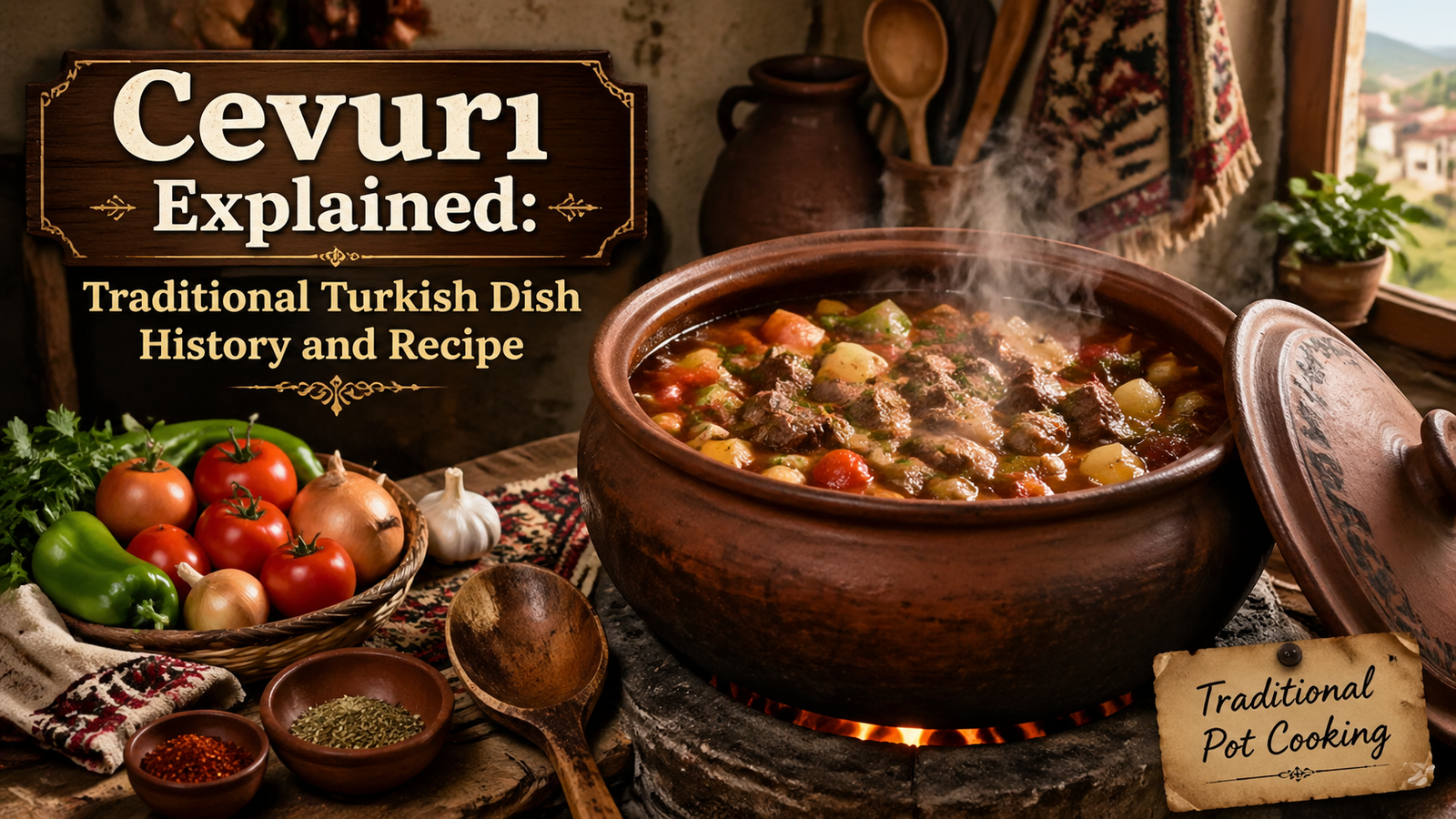
Cevurı is usually cooked in a heavy pot with a lid. Thick pots hold heat well and allow slow even cooking. Clay pots were also common historically. These cooking tools helped families prepare meals carefully and keep food warm until everyone was ready.
First Step of Cooking
The first cooking step is browning the meat in oil or butter. This creates a stronger base flavor and better texture. Meat should not burn or dry out. Light browning is enough to prepare it for the long simmering stage afterward.
Adding Vegetables Later
After browning the meat, onions and garlic are added first. Then, tomatoes, peppers, and other vegetables follow. This order helps build layers of flavor. Soft onions create sweetness, while tomatoes and peppers bring freshness and color into the dish naturally.
Slow Simmering Process
Once ingredients are mixed, a little water or broth is added. The pot is covered and cooked on low heat. This stage can take a long time. Slow simmering makes meat tender and allows vegetables to melt into a rich sauce.
Serving the Dish
Cevurı is usually served hot and fresh. Bread, rice, bulgur, or yogurt are common side options. Many families place the dish in the center of the table. Everyone serves themselves, creating a shared and welcoming traditional meal atmosphere together happily.
Regional Style Differences
Every region may prepare Cevurı differently. Some places prefer thicker sauce, others like lighter texture. Coastal areas may use more olive oil, while inland regions may use lamb more often. These changes show how food adapts to geography and local culture.
Central Anatolia Version
Central Anatolia is known for wheat and livestock traditions. Because of this, Cevurı there may include lamb and be served with bulgur. The flavors are hearty and comforting. This style reflects the agricultural identity of the region and its history strongly.
Coastal Turkish Version
Coastal areas often use fresh vegetables, tomatoes, olive oil, and lighter herbs. Their Cevurı versions may feel brighter and less heavy. Mediterranean influence can be seen in these recipes. This style is popular among people who enjoy fresh balanced flavors.
Southeastern Version
Southeastern Turkey is famous for bold spices and rich tastes. Cevurı prepared there may include red pepper and stronger seasoning. The dish often feels warmer and more intense. This regional version reflects the vibrant food culture of the Southeast beautifully.
Modern Restaurant Revival
Many chefs now bring traditional foods into restaurants. Cevurı is sometimes served in stylish modern plates with premium ingredients. The original slow-cooked flavor remains important. This helps younger diners and tourists discover old recipes in attractive new dining settings today.
Vegetarian Versions
Some modern cooks prepare vegetarian Cevurı using mushrooms, chickpeas, lentils, or eggplant. These ingredients provide texture and flavor without meat. Slow cooking still remains important. This version is useful for people who want traditional taste with plant-based ingredients instead.
Is Cevurı Healthy?
Cevurı can be healthy when prepared with balanced ingredients. It offers protein, vegetables, and satisfying energy. Using lean meat and olive oil can make it lighter. Since it uses whole foods, it is often healthier than processed fast-food meals commonly eaten.
Why People Search for It Online
People search for Cevurı because unusual foods create curiosity. Travelers want hidden dishes, bloggers want fresh topics, and home cooks want authentic recipes. Turkish cuisine is already respected worldwide. This helps lesser-known dishes like Cevurı gain more online attention today.
Best Side Dishes
Good side dishes for Cevurı include bulgur pilaf, rice, yogurt, salad, and fresh bread. These foods balance the rich main dish. Pickled vegetables can also add brightness. Together, they create a complete meal that feels generous and satisfying for everyone.
Easy Home Version
A simple home version uses chicken, onions, tomatoes, peppers, and potatoes. Brown the chicken first, add vegetables, season well, and cook slowly. Even a basic version can taste delicious. The key is patience and allowing flavors enough time to develop.
Cultural Importance
Traditional dishes protect memories and identity. Cevurı connects people with grandparents, villages, and family gatherings. Cooking old meals keeps customs alive in changing times. Food is often one of the strongest links between modern life and cultural heritage for communities.
Conclusion
- Cevurı is a traditional Turkish dish with deep cultural roots.
- It is known for slow cooking and rich natural flavor.
- Different regions prepare Cevurı in unique ways.
- The dish brings families together during shared meals.
- Modern chefs are reviving it in creative styles.
- Cevurı can be healthy when made with fresh ingredients.
- It remains an important symbol of Turkish food heritage.
- Anyone who enjoys authentic cuisine should explore Cevurı.
FAQs
What is Cevurı?
Cevurı is a traditional Turkish slow-cooked dish made with meat, vegetables, herbs, and spices.
What meat is used in Cevurı?
Common meats include lamb, beef, or chicken, depending on family preference and region.
Is Cevurı spicy?
Usually, it has mild seasoning, but some regions prepare spicier versions with red pepper.
Can Cevurı be vegetarian?
Yes, modern versions use mushrooms, lentils, chickpeas, or eggplant instead of meat.
What is served with Cevurı?
Cevurı is commonly served with bread, rice, bulgur, yogurt, or fresh salad.