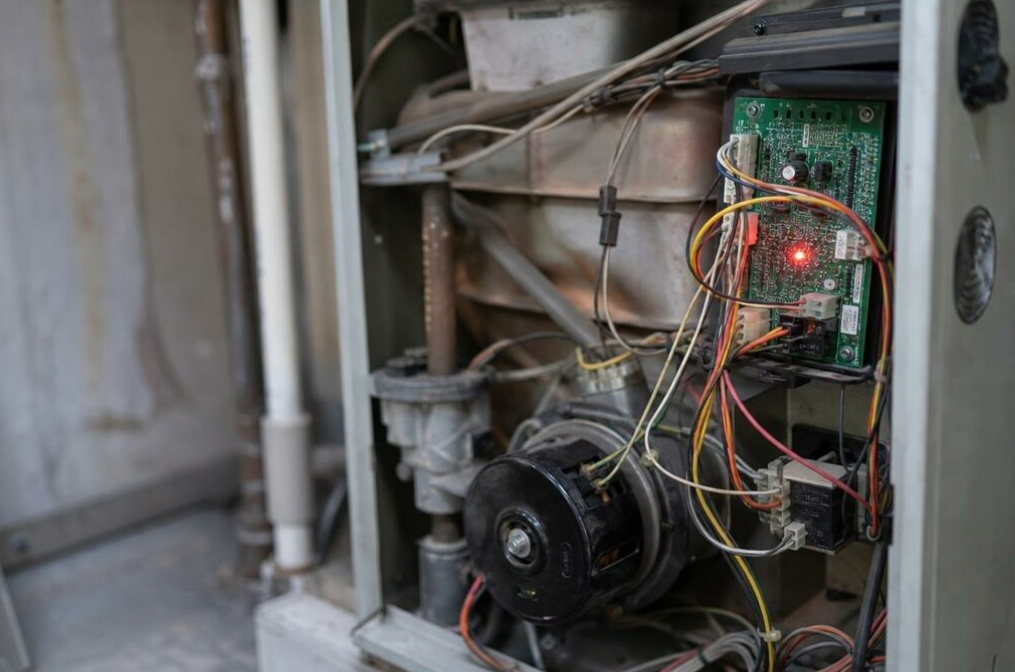
Asbestlint is a term used to describe fine, lint-like asbestos fibers or asbestos-based materials that can become airborne when disturbed. These tiny fibers are extremely hazardous because they can easily enter the lungs and remain there for long periods, causing serious health problems. Although asbestos was widely used in construction and industry due to its heat resistance and durability, its dangers are now well known. Understanding what asbestlint is, where it is found, and how it affects human health is very important for safety. This article explains its uses, risks, and how to protect yourself from exposure in simple and clear language.
What is Asbestlint?
Asbestlint refers to extremely fine, dust-like asbestos fibers that resemble lint or soft threads. These fibers are usually released when asbestos-containing materials break down, age, or are disturbed during construction or renovation work. Because they are so small, they can stay suspended in the air for long periods and are not visible to the naked eye. This makes them especially dangerous for people who are unaware of their presence in older buildings or industrial environments.
In many cases, asbestlint is not a separate material but a condition of asbestos when it becomes degraded. It can come from insulation, roofing, flooring, or pipe coverings that contain asbestos. Once these materials start to crumble, the fibers are released into the air. Breathing them in can lead to long-term health issues, making awareness and prevention very important.
The term is often used in safety discussions to highlight the airborne nature of asbestos particles. Unlike solid asbestos sheets, asbestlint behaves like dust and spreads easily. This is why professional handling and protective measures are required when dealing with any asbestos-containing materials in buildings or industrial sites.
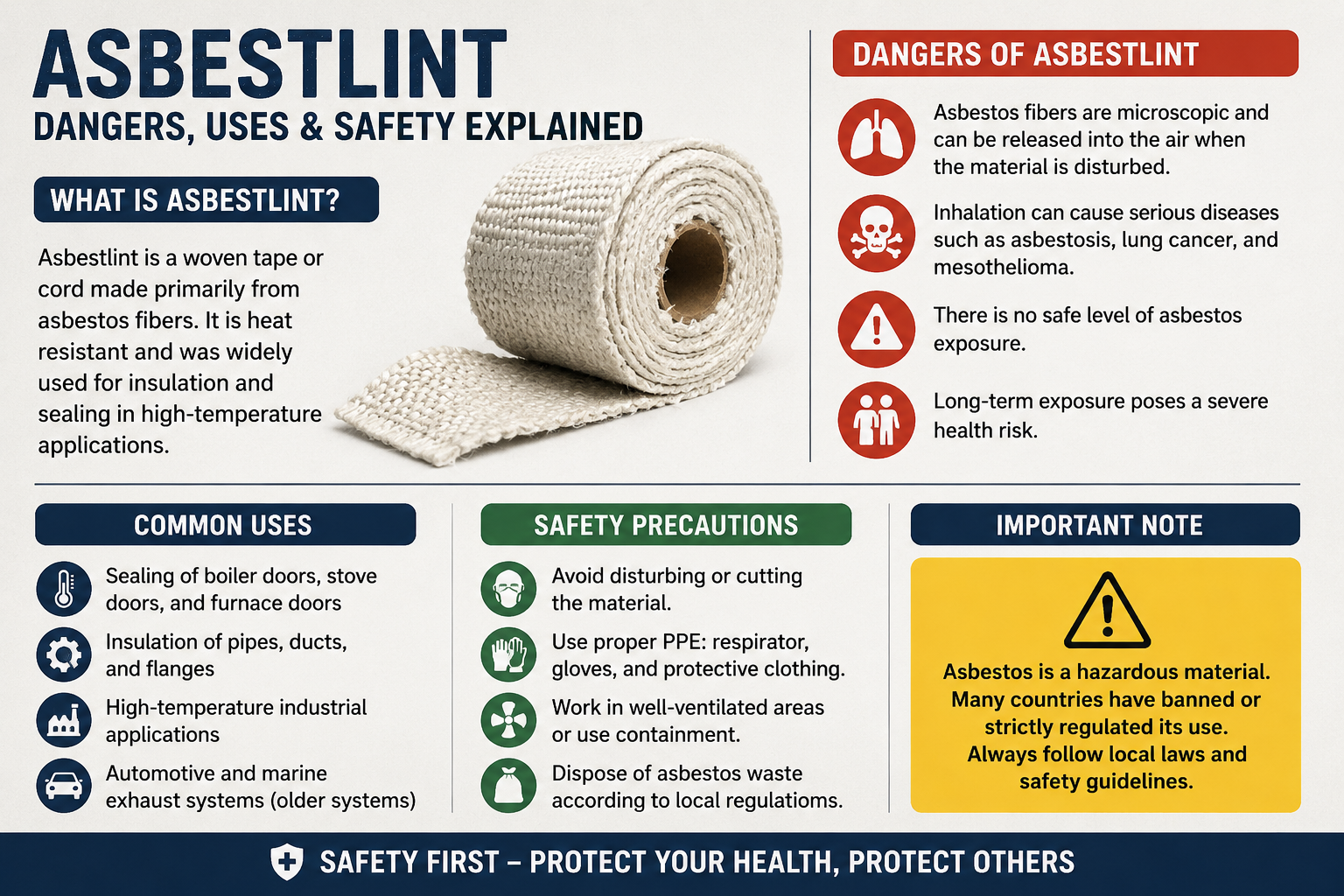
Origin and Composition of Asbestlint
Asbestlint originates from naturally occurring asbestos minerals, which are found in rock formations around the world. These minerals were mined and processed for decades because of their resistance to heat, fire, and chemical damage. Over time, industrial use led to widespread distribution of asbestos materials in construction, manufacturing, and insulation products.
Chemically, asbestos is made of silicate minerals with long, thin fibrous structures. These fibers are strong yet flexible, which made them ideal for industrial use. However, when these structures break down, they form microscopic fragments that can behave like dust. This degraded form is what is commonly referred to as asbestlint in modern discussions.
The composition of asbestlint depends on the type of asbestos it comes from, such as chrysotile or amphibole. Each type has slightly different physical properties, but all are hazardous when inhaled. Because of their durability, these fibers do not easily dissolve in the body, which increases the risk of long-term health damage.
Common Industrial Uses
Asbestos materials, which can later produce asbestlint, were widely used in many industries. One of the most common uses was in construction, where it was added to cement, roofing sheets, and insulation materials. It was valued for its ability to resist fire and heat, making buildings safer in terms of fire protection.
In industrial settings, asbestos was also used for pipe insulation, brake linings, and protective clothing. These applications required materials that could withstand extreme conditions without breaking down easily. As a result, asbestos became a standard material in factories, power plants, and transportation industries for many years.
However, as these materials age or become damaged, they can release fine fibers into the air. This is when asbestlint becomes a serious concern. Even though asbestos use has decreased in many countries, older buildings and equipment still contain it, which means exposure risks continue today.
Health Risks and Dangers
The biggest danger of asbestlint is its impact on human health. When inhaled, the tiny fibers can enter the lungs and become trapped in lung tissue. Over time, this can cause inflammation, scarring, and serious diseases such as asbestosis, lung cancer, and mesothelioma.
One of the most concerning aspects is that symptoms may take many years to appear. A person exposed today may not experience health problems until decades later. This delayed effect makes early detection and prevention very difficult, increasing the importance of avoiding exposure altogether.
There is no safe level of exposure to asbestos fibers. Even small amounts of asbestlint can be harmful if inhaled repeatedly over time. This is why strict safety guidelines are in place for workers who may come into contact with asbestos-containing materials in their jobs.
How Exposure Happens
Exposure to asbestlint usually occurs when asbestos-containing materials are disturbed. This can happen during demolition, renovation, drilling, sanding, or even simple maintenance work in older buildings. When these materials break, fibers are released into the air and can be easily inhaled.
People living in older homes or working in old industrial facilities are at higher risk of exposure. In some cases, natural disasters such as earthquakes or fires can also damage asbestos materials, increasing the release of fibers into the environment.
Another common exposure route is occupational. Workers in construction, shipbuilding, and maintenance industries are more likely to come into contact with asbestos. Without proper protective equipment and safety training, the risk of inhaling asbestlint becomes significantly higher.
Identification in Buildings
Identifying asbestlint in buildings is not easy because the fibers are microscopic and cannot be seen directly. However, older buildings constructed before asbestos regulations were introduced are more likely to contain asbestos materials. These include insulation, ceiling tiles, floor adhesives, and roofing materials.
Professional inspection is the most reliable way to detect asbestos. Specialists take samples from suspected materials and analyze them in laboratories. This helps confirm whether asbestos is present and whether there is a risk of fiber release into the air.
It is important not to disturb suspected materials on your own. Cutting, breaking, or drilling into them can release dangerous fibers. Instead, trained professionals should handle inspection and removal to ensure safety and prevent exposure to asbestlint.
Safety Measures and Prevention
The best way to stay safe from asbestlint is prevention. Avoid disturbing any material that may contain asbestos, especially in older buildings. If renovation or repair work is needed, always consult trained professionals who understand how to handle asbestos safely.
Protective equipment is essential for workers who may be exposed. This includes respirators, protective clothing, and proper ventilation systems. These measures help reduce the risk of inhaling harmful fibers during work activities.
Proper removal and disposal of asbestos materials must follow strict regulations. Special containment methods are used to prevent fibers from spreading into the air. This ensures that both workers and the surrounding environment remain safe during the process.
Legal Regulations and Guidelines
Many countries have strict laws regarding the use and handling of asbestos due to its health risks. In most places, the use of asbestos in new products is banned or heavily restricted. These regulations are designed to reduce exposure and protect public health.
Governments also provide guidelines for safe asbestos removal and workplace safety. Employers are required to follow these rules and provide training to workers who may come into contact with asbestos materials. Regular inspections are also conducted to ensure compliance.
Despite regulations, older buildings still contain asbestos, which means ongoing monitoring is necessary. Awareness and enforcement of safety standards play a key role in reducing the risks associated with asbestlint exposure.
Conclusion
Asbestlint represents a serious health hazard that comes from deteriorating asbestos materials commonly found in older buildings and industrial environments. Although asbestos was once widely used for its strength and fire resistance, its long-term health risks are now well understood. Exposure can lead to severe and often irreversible lung diseases, making prevention extremely important. By identifying potential sources, following safety guidelines, and relying on professional handling, the risks associated with asbestlint can be significantly reduced. Awareness and caution remain the most effective ways to stay protected from this hidden danger.
FAQs about Asbestlint
What is asbestlint exactly?
Asbestlint refers to very fine, dust-like asbestos fibers that form when asbestos-containing materials break down or are disturbed. These fibers can become airborne and are dangerous when inhaled because they can settle in the lungs and cause long-term health problems.
Why is asbestlint dangerous for health?
Asbestlint is dangerous because its tiny fibers can enter deep into the lungs and stay there for many years. Over time, this can cause serious diseases such as asbestosis, lung cancer, and mesothelioma. Even small exposure can be harmful if repeated or long-term.
Where is asbestlint commonly found?
It is usually found in older buildings and industrial sites where asbestos was used. Common sources include insulation, roofing sheets, ceiling tiles, pipe coverings, and floor materials that contain asbestos and have started to degrade.
How can I know if my building has asbestlint?
You cannot identify asbestlint just by looking at it because the fibers are microscopic. Only professional testing and laboratory analysis can confirm its presence. If your building is old, it is safer to assume asbestos may be present until tested.
How can I stay safe from asbestlint exposure?
To stay safe, avoid disturbing any suspected asbestos materials. Always hire certified professionals for inspection, repair, or removal. Using protective equipment and following safety regulations also greatly reduces the risk of exposure.